
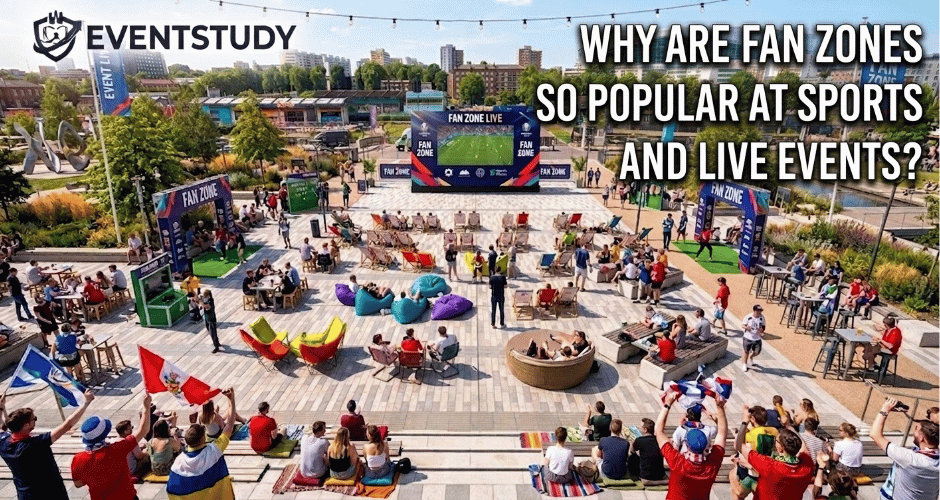
Why Are Fan Zones So Popular at Sports and Live Events?
-
July 24, 2026
-
Updated: July 20, 2026
- Event Industry Insights
Fan zones have become increasingly popular because they transform traditional spectators into active participants by creating engaging experiences before, during, and after live events. Instead of simply watching from their seats, fans can interact with entertainment, brands, technology, food experiences, and other supporters, making the overall sports event experience more memorable.
Modern fan zones combine event entertainment, interactive experiences, social activities, and community engagement to strengthen fan engagement and create a stronger connection between audiences and events. They are now an important part of live event activation, allowing organisers and brands to deliver immersive experiences that extend beyond the main competition or performance.
Quick Answer Box
Fan zones are popular because they give fans more than just a game or performance—they create an interactive experience with entertainment, activities, food, merchandise, technology, and social opportunities. They increase engagement, improve fan satisfaction, and create valuable opportunities for sponsors and organizers.
What Is a Fan Zone?
A fan zone is a dedicated area created around a sports or live event where attendees can participate in interactive activities, entertainment, brand experiences, and social experiences before, during, or after the main event. Unlike traditional event spaces that focus mainly on watching a match, performance, or competition, fan zones are designed to encourage audience participation and create a more immersive experience.
The main purpose of a fan zone is to increase fan engagement by giving visitors additional reasons to attend, stay longer, and connect with the event. They combine elements such as live entertainment, food, games, sponsor activation, event technology, and interactive experiences to create a complete visitor experience.
Fan zones are now an important part of sports marketing and event management because they help organisations create stronger relationships with audiences while offering valuable opportunities for event sponsorship and brand experience. They also support community engagement by bringing fans together in a shared environment that celebrates sports fan culture.
How Fan Zones Differ from Traditional Event Spaces
Traditional event spaces are usually designed around a single purpose, such as watching a game, attending a presentation, or experiencing a performance. Fan zones expand this approach by creating additional entertainment zones where visitors can interact, socialise, and take part in activities.
| Traditional Event Experience | Fan Zone Experience |
|---|---|
| Watch-only participation | Interactive engagement |
| Limited activities | Multiple experiences |
| Event-focused | Community-focused |
| Short attendance window | Longer visitor engagement |
| Passive audience | Active participation |
By extending the event beyond the main venue, fan zones improve the overall sports event experience and create more opportunities for crowd engagement. They allow organisers to combine entertainment, technology, and community elements, making the event feel larger, more inclusive, and more memorable.
Fan zones also support event innovation by turning a single event into a complete experience where audiences can connect with brands, other fans, and the wider event atmosphere.
Why Are Fan Zones Becoming More Popular?
Fan zones are becoming more popular because modern audiences want more than simply watching a sports match or live performance. Today’s visitors expect experiences that allow them to interact, participate, socialise, and feel connected to the event.
This shift has changed how organisers approach event management. Instead of focusing only on the main attraction, events now include entertainment zones, interactive experiences, technology, and community-focused activities that extend the overall sports event experience.
Fan zones support fan engagement by creating additional value for visitors while helping organisations, sponsors, and brands achieve wider goals through experiential marketing, sponsor activation, and brand experience strategies.
The growth of fan zones is driven by several key factors:
| Reason for Growth | How Fan Zones Support It |
|---|---|
| Increased fan engagement | Gives audiences more ways to participate and interact |
| Better visitor experience | Creates additional activities before and after the main event |
| Stronger brand connections | Provides opportunities for sponsor activation and event activation |
| More entertainment options | Adds live entertainment and interactive experiences |
| Community building | Encourages social interaction and community engagement |
| Event innovation | Uses technology and creative ideas to improve experiences |
Fans Want More Than Just Watching
One of the biggest reasons behind the popularity of fan zones is that audiences no longer want to remain passive spectators. They want to become part of the event through participation, social interaction, and memorable activities.
Traditional event formats often provide a limited experience focused only on watching the main competition or performance. Fan zones expand this by creating immersive experiences that combine entertainment, activities, and connections.
They help transform a standard event into a complete experience where fans can engage with teams, brands, and other supporters.
Interactive Experiences
Interactive experiences are one of the most important features of modern fan zones because they encourage audience participation and create stronger emotional connections.
These activities can include:
Virtual reality experiences
Skill challenges
Gaming areas
Interactive displays
Photo opportunities
Competitions and giveaways
These features improve fan engagement by allowing visitors to actively participate rather than simply observe. They also create valuable opportunities for sponsor activation, where brands can connect with audiences through memorable and creative interactions.
With the use of event technology, organisers can personalise experiences and collect useful insights about visitor behaviour. This supports better event innovation and helps improve future event planning strategies.
Behind-the-Scenes Access
Fans increasingly value exclusive experiences that allow them to feel closer to the teams, performers, or organisations they support. Fan zones provide opportunities for visitors to access content and activities that go beyond the main event.
Examples include:
Team exhibitions
Player or performer information areas
Historical displays
Interactive training activities
Virtual behind-the-scenes experiences
These features strengthen the fan experience by creating deeper connections between audiences and events. They also support sports fan culture by giving supporters more ways to celebrate their interests and feel part of a wider community.
For organisers, behind-the-scenes experiences add value to sports hospitality and help create a more complete stadium experience.
Entertainment
Entertainment plays a major role in attracting visitors and keeping them engaged throughout an event. Modern fan zones often include live entertainment and activities designed to create excitement before, during, and after the main event.
Common entertainment options include:
Live music performances
Guest appearances
Stage shows
Competitions
Interactive games
Cultural performances
These activities increase crowd engagement and encourage visitors to spend more time within the event environment. They also support event production by creating a smoother flow between different parts of the experience.
By combining live entertainment with interactive experiences, organisers can create a more dynamic and memorable event atmosphere.
Community Connection
Fan zones are becoming increasingly popular because they create spaces where people can connect with others who share similar interests. They turn events into social experiences rather than simply organised activities.
Community-focused fan zones encourage:
Social interaction between supporters
Local participation
Shared celebrations
Stronger connections between audiences and organisations
This focus on community engagement helps build loyalty and improves the overall visitor experience. For sports organisations and brands, fan zones provide opportunities to create long-term relationships with audiences through meaningful event experiences.
By combining entertainment, technology, participation, and community connection, fan zones have become an essential part of modern live event activation and sports marketing strategies.
They Create Memorable Experiences
One of the main reasons fan zones have become so popular is their ability to create memorable experiences that go beyond the main event. Modern audiences are not only looking for a match, performance, or competition; they want moments they can enjoy, remember, and share with others.
Fan zones support fan engagement by creating immersive experiences that encourage visitors to interact with the environment, connect with other fans, and become part of the event story. These experiences strengthen the overall sports event experience by adding entertainment, creativity, and personal connections.
Some of the key elements that help create memorable fan experiences include:
Photo Opportunities
Photo opportunities have become an important part of modern fan zones because they allow visitors to capture and share their experiences. Creative photo areas, themed installations, and branded displays encourage audience participation while creating valuable content for both fans and organisers.
Examples include:
Team-themed photo areas
Interactive digital backgrounds
Branded installations
Custom event displays
Augmented reality experiences
These features support sponsor activation by allowing brands to become part of memorable fan moments rather than simply appearing through traditional advertising.
Activities
Interactive activities help transform visitors from passive spectators into active participants. Fan zones often include games, competitions, challenges, and technology-based experiences that encourage people to take part.
Popular activities include:
Sports skill challenges
Gaming zones
Virtual experiences
Fan competitions
Interactive displays
These activities increase audience engagement and create stronger connections between fans, teams, and brands. They also improve event innovation by introducing new ways for audiences to experience live events.
Live Entertainment
Live entertainment adds energy and excitement to fan zones by creating additional attractions before, during, and after the main event. Performances, music, guest appearances, and stage activities help maintain crowd engagement and encourage visitors to spend more time at the venue.
Common entertainment options include:
Live music
Dance performances
Guest speakers
Cultural performances
On-stage competitions
By combining live entertainment with interactive experiences, organisers can create a more complete event atmosphere that supports both visitor experience and event production goals.
Personal Moments
Personal moments are another reason fan zones are effective because they allow visitors to create individual memories connected to the event. Personalisation helps strengthen the emotional connection between fans and organisations.
Examples include:
Personalised merchandise
Fan messages
Custom digital content
Meet-and-greet opportunities
Special recognition moments
These details improve the fan experience by making visitors feel valued and included. They also contribute to stronger sports fan culture by creating meaningful connections between audiences and the events they support.
Social Media Has Changed Fan Expectations
Social media has significantly changed how audiences experience sports and live events. Fans no longer only attend events for the in-person experience; they also want opportunities to create, share, and engage with content online.
This shift has made social media-friendly experiences an important part of live event activation and experiential marketing strategies. Successful fan zones now consider how physical experiences can generate online engagement and extend the reach of an event beyond the venue.
Shareable Moments
Modern fans expect events to provide moments that are visually exciting and worth sharing online. Fan zones are designed with creative features that encourage visitors to take photographs, record videos, and share their experiences.
Shareable features include:
Branded photo areas
Unique installations
Interactive technology
Special event moments
Themed experiences
These elements help increase online visibility while allowing fans to become part of the event promotion process.
User-Generated Content
User-generated content has become a powerful tool for event marketing because fans naturally share their experiences with their own networks. Fan zones encourage this behaviour by creating environments where visitors can easily create and publish content.
Benefits include:
Greater audience reach
Increased fan engagement
Authentic event promotion
Stronger community interaction
For organisers and brands, user-generated content provides valuable exposure while creating a stronger connection between audiences and the event.
Brand Visibility
Fan zones provide brands with unique opportunities to increase visibility through creative and engaging interactions. Instead of relying only on traditional advertising, companies can create memorable brand experiences that audiences actively participate in.
Brand visibility opportunities include:
Sponsored activities
Branded entertainment zones
Interactive displays
Product experiences
Digital campaigns
These approaches support event sponsorship and sponsor activation by allowing brands to become part of the overall fan journey.
Online Engagement
Online engagement has become an important measure of event success because audiences continue interacting with events even after leaving the venue. Fan zones help extend the life of an event by encouraging digital conversations and ongoing participation.
Strategies include:
Social media campaigns
Event hashtags
Digital competitions
Live updates
Interactive online content
By connecting physical experiences with digital platforms, fan zones create a stronger relationship between audiences, brands, and events. This combination of in-person engagement and online interaction has made fan zones an essential part of modern sports marketing and event strategy.
Brands Need Better Audience Engagement
Brands are increasingly using fan zones because traditional advertising methods are often not enough to create meaningful connections with audiences. Modern consumers expect more interactive and personalised experiences, making fan zones an effective platform for experiential marketing and brand experience strategies.
Through fan zones, sponsors can move beyond simple logo visibility and create direct interactions with visitors. These spaces allow brands to become part of the overall fan experience by offering activities, demonstrations, and memorable moments that encourage stronger audience engagement.
Fan zones support sponsor activation through several key opportunities:
Product Demonstrations
Fan zones provide an ideal environment for brands to showcase products and services in a more engaging way. Instead of relying on standard advertising, companies can allow visitors to interact with products, test features, and understand their benefits through hands-on experiences.
Examples include:
Product testing areas
Interactive demonstrations
Technology showcases
Brand experience zones
Live presentations
These demonstrations help create stronger connections between brands and audiences while making the event experience more valuable for visitors.
Sampling
Sampling is another popular strategy used by sponsors because it allows audiences to experience products directly. Whether it involves food, beverages, technology, or lifestyle products, sampling creates a more personal relationship between consumers and brands.
Common sampling activities include:
Food and drink tastings
Product trials
Promotional giveaways
Free samples
Exclusive event offers
By providing direct experiences, brands can improve customer engagement and create positive associations with the event.
Lead Generation
Fan zones also provide valuable opportunities for lead generation by allowing brands to collect information from interested visitors. Through interactive activities and registration-based experiences, sponsors can build relationships with potential customers.
Lead generation methods may include:
Digital sign-ups
Competitions
Loyalty programmes
Surveys
App registrations
This makes fan zones valuable not only for entertainment but also for achieving measurable business outcomes through sports marketing and event activation.
Brand Activation
Brand activation is one of the strongest benefits of fan zones because it allows companies to create memorable experiences that connect emotionally with audiences. Instead of simply displaying a logo, brands can design interactive experiences that encourage participation.
Examples include:
Sponsored games
Branded entertainment areas
Virtual experiences
Photo installations
Interactive challenges
These activations improve brand visibility while creating a stronger connection between sponsors and fans.
Events Need More Revenue Opportunities
Modern events require multiple revenue streams to remain successful, and fan zones provide valuable opportunities to generate additional income beyond ticket sales. By creating engaging spaces around the main event, organisers can increase spending, attract sponsors, and improve the overall commercial value of the experience.
Fan zones support event management strategies by combining entertainment, hospitality, and business opportunities in one location. They also help improve the financial performance of events through additional visitor engagement and premium offerings.
Key revenue opportunities include:
Food and Beverage Sales
Food and beverage areas are one of the most common revenue sources within fan zones. They provide convenience for visitors while creating additional income opportunities for organisers and vendors.
Options may include:
Food stalls
Pop-up restaurants
Beverage stations
Premium dining areas
Themed food experiences
Well-designed food and beverage options also improve the overall visitor experience by making the event more comfortable and enjoyable.
Merchandise
Merchandise sales allow fans to purchase products connected to their favourite teams, brands, or events. Fan zones provide an ideal environment for these sales because visitors are already engaged and emotionally connected to the occasion.
Merchandise opportunities include:
Team clothing
Event souvenirs
Limited-edition products
Branded items
Collectable merchandise
These sales strengthen sports fan culture while providing an additional revenue stream for organisers and partners.
Sponsorship Packages
Fan zones create attractive opportunities for event sponsorship because they offer brands dedicated spaces to connect with audiences. Sponsors can invest in branded areas, activities, and experiences that provide measurable engagement.
Sponsorship opportunities may include:
Branded entertainment zones
Sponsored activities
Product experience areas
Digital campaigns
Exclusive fan experiences
These packages provide value for both organisers and sponsors by combining audience reach with meaningful interaction.
Premium Experiences
Premium experiences allow organisers to offer higher-value options for visitors who want a more exclusive event experience. These services support sports hospitality and create additional revenue opportunities.
Examples include:
VIP lounges
Exclusive viewing areas
Private fan experiences
Meet-and-greet opportunities
Premium dining options
By offering a mix of standard and premium experiences, fan zones can appeal to different audience groups while increasing overall event value.
Through improved audience engagement, stronger sponsorship opportunities, and additional revenue streams, fan zones have become an essential part of modern event strategy and live event activation.
Benefits of Fan Zones for Sports and Live Events
Fan zones provide value to multiple stakeholders by improving the overall event experience and creating additional opportunities for engagement, entertainment, and connection. They are no longer just extra spaces around a venue; they have become an important part of modern event strategy, helping organisers, brands, sponsors, and audiences achieve more from live events.
Benefits for Fans
Fan zones improve the way audiences experience sports and live events by adding more opportunities for entertainment, interaction, and connection. Instead of attending only to watch a match or performance, visitors can enjoy a wider range of activities that make the event feel more engaging and memorable.
By combining entertainment zones, interactive experiences, and community-focused activities, fan zones create a stronger fan experience and encourage greater audience participation.
More Entertainment Value
Fan zones add extra entertainment value by providing activities beyond the main event. They allow visitors to enjoy live entertainment, games, performances, and themed attractions before, during, and after the event.
Entertainment options may include:
Live music and performances
Fan competitions
Interactive games
Digital experiences
Themed activities
These additional features improve fan engagement and make the overall sports event experience more enjoyable for visitors.
Social Interaction
Fan zones create spaces where supporters can connect with friends, families, and other fans. They encourage people to share experiences, celebrate together, and build stronger connections around their shared interests.
Social benefits include:
Meeting other supporters
Joining group activities
Sharing event moments
Creating community connections
This social environment strengthens sports fan culture and supports community engagement by turning events into shared experiences rather than individual activities.
Family-Friendly Activities
Many fan zones include activities designed for different age groups, making sports and live events more accessible for families. These features help create a welcoming environment where children and adults can enjoy the experience together.
Family-friendly activities may include:
Kids’ entertainment areas
Creative workshops
Games and challenges
Photo opportunities
Interactive displays
By offering activities for everyone, fan zones improve the visitor experience and encourage more families to attend events.
Better Overall Experience
Fan zones enhance the overall event experience by extending the journey beyond the main attraction. Visitors can enjoy food, entertainment, social spaces, and interactive activities that create a more complete experience.
A better experience may include:
Comfortable seating areas
Food and beverage options
Entertainment zones
Event technology features
Fan activities
This approach helps create a stronger stadium experience and encourages visitors to spend more time engaging with the event.
More Connection with Teams or Performers
Fan zones help audiences develop stronger connections with the teams, athletes, or performers they support. Through exclusive activities and behind-the-scenes experiences, visitors can feel closer to the people and stories behind the event.
Connection opportunities may include:
Team displays
Performer showcases
Meet-and-greet experiences
Digital content
Fan challenges
These experiences strengthen fan engagement by making supporters feel more involved and valued.
Benefits for Event Organizers
For event organisers, fan zones provide valuable opportunities to increase attendance, improve audience engagement, and create additional commercial benefits. They have become an important part of event management because they help organisers deliver more engaging experiences while achieving business goals.
Through effective event planning, event logistics, and event production, fan zones can improve the success and reputation of sports and live events.
Increased Attendance
Fan zones can attract more visitors by adding extra value to the overall event experience. Audiences are more likely to attend when they know they will receive a complete entertainment experience rather than only access to the main event.
Attendance benefits include:
Wider audience appeal
More interest from families and groups
Increased event attraction
More reasons to attend early
By expanding the event offering, fan zones support stronger audience engagement and improved attendance levels.
Longer Visitor Engagement
Fan zones encourage visitors to arrive earlier and stay longer by providing activities throughout the event journey. Longer engagement creates more opportunities for entertainment, sponsorship interaction, and spending.
Benefits of longer visitor engagement include:
Increased interaction with brands
More crowd engagement
Greater participation in activities
Improved visitor experience
This makes fan zones an effective strategy for increasing the overall value of live event activation.
Higher Satisfaction Scores
A well-designed fan zone can improve attendee satisfaction by creating a more enjoyable and convenient experience. When visitors have access to entertainment, activities, and comfortable spaces, they are more likely to have a positive impression of the event.
Higher satisfaction can result from:
Better entertainment options
More interactive experiences
Improved visitor services
Stronger event atmosphere
Positive feedback also helps organisers improve future events and strengthen audience relationships.
Additional Revenue Streams
Fan zones create new revenue opportunities by adding commercial activities around the main event. They allow organisers to generate income through different services while improving the overall audience experience.
Revenue opportunities include:
Food and beverage sales
Merchandise areas
Sponsorship packages
Premium experiences
Brand activation spaces
These opportunities support sports marketing strategies and make events more financially sustainable.
Stronger Event Reputation
Successful fan zones can improve the reputation of an event by creating memorable experiences that encourage visitors to return and recommend the event to others. A strong fan experience helps events stand out in a competitive market.
A stronger reputation can lead to:
Increased audience loyalty
Better sponsor relationships
Greater brand recognition
More future attendance
Stronger event sponsorship opportunities
By delivering innovative and engaging experiences, fan zones help organisers create events that are remembered for the complete experience rather than only the main attraction.
Benefits for Sponsors and Brands
Fan zones provide significant opportunities for sponsors and brands by creating direct connections with audiences in a more engaging environment. Unlike traditional advertising methods, fan zones allow companies to interact with visitors through memorable experiences, making them a valuable tool for experiential marketing and brand experience strategies.
Through sponsor activation and event activation, brands can become part of the overall fan journey rather than simply displaying promotional messages. This creates stronger emotional connections, improves audience engagement, and helps businesses achieve measurable marketing goals.
Face-to-Face Engagement
One of the biggest advantages of fan zones for sponsors is the opportunity for face-to-face engagement with audiences. Direct interaction allows brands to communicate with visitors, understand their interests, and create more personal connections.
Face-to-face engagement opportunities include:
Product demonstrations
Brand representatives
Interactive activities
Live experiences
Customer conversations
These interactions help brands build trust and create a more positive relationship with potential customers.
Brand Awareness
Fan zones help increase brand awareness by placing companies in highly visible and engaging environments. Visitors are more likely to remember brands that create enjoyable experiences rather than those that only appear through traditional advertising.
Brand awareness opportunities include:
Branded entertainment zones
Sponsored activities
Event displays
Digital experiences
Promotional campaigns
By becoming part of the fan experience, brands can improve recognition and strengthen their position within the event environment.
Customer Interaction
Fan zones allow brands to interact with customers in meaningful ways through creative and personalised experiences. Instead of simply promoting products, companies can encourage visitors to participate and connect with their brand.
Customer interaction methods may include:
Games and competitions
Product testing
Exclusive offers
Interactive installations
Social media activities
These experiences improve audience engagement and help brands create stronger connections with their target audiences.
Data Collection
Fan zones can support data collection by allowing brands to gather valuable information about visitor preferences, behaviours, and interests. Through event technology and digital interactions, sponsors can collect insights while providing useful experiences for attendees.
Data collection methods include:
Registration forms
Digital competitions
Mobile applications
Surveys
Loyalty programmes
This information helps brands understand their audiences better and improve future sports marketing campaigns.
Experiential Marketing
Fan zones are a powerful platform for experiential marketing because they allow audiences to experience a brand rather than simply see it. Through immersive experiences and interactive activities, companies can create memorable moments that encourage stronger customer relationships.
Experiential marketing opportunities include:
Virtual experiences
Brand challenges
Sponsored activities
Creative installations
Personalised interactions
These experiences help transform sponsorship into meaningful engagement while improving the overall fan experience.
Benefits for Local Communities
Fan zones can also provide significant benefits for local communities by creating opportunities for tourism, business growth, employment, and social participation. When successfully planned, they become more than event spaces; they become community-focused environments that bring people together.
Through community engagement and effective event management, fan zones can create positive economic and social impacts while improving the overall visitor experience.
Tourism Impact
Fan zones can attract visitors from outside the local area, increasing interest in the destination and supporting tourism growth. Large sports and entertainment events often encourage visitors to explore local attractions, accommodation, and services.
Tourism benefits include:
Increased visitor numbers
Greater destination awareness
More hotel bookings
Promotion of local attractions
Stronger destination branding
For tourism boards, fan zones provide opportunities to showcase the location while creating memorable experiences for visitors.
Local Business Opportunities
Fan zones create opportunities for local businesses to participate and benefit from increased visitor activity. Food providers, retailers, hospitality businesses, and service providers can gain exposure and generate additional income during major events.
Local business opportunities may include:
Food and beverage stalls
Local product showcases
Retail partnerships
Vendor opportunities
Hospitality services
This supports economic growth while allowing communities to become actively involved in event activities.
Community Participation
Fan zones encourage community participation by creating inclusive spaces where local residents can engage with events, teams, brands, and visitors. They provide opportunities for people to celebrate together and become part of larger cultural moments.
Community participation may include:
Local performances
Community activities
Volunteer programmes
Cultural showcases
Family events
These activities strengthen community engagement and create a stronger connection between events and local audiences.
Economic Benefits
Fan zones can contribute to local economic development by increasing spending, creating jobs, and supporting local suppliers. The additional activity generated by events can provide financial benefits beyond the main venue.
Economic benefits include:
Increased local spending
Temporary employment opportunities
Growth for small businesses
Support for local suppliers
Increased commercial activity
By combining entertainment, business opportunities, and community involvement, fan zones create value for both event organisers and the wider community.
Key Elements of a Successful Fan Zone
A successful fan zone requires more than simply creating an additional space around a stadium or live event venue. The most effective fan zones are carefully designed to encourage participation, improve the fan experience, and create meaningful connections between audiences, brands, and event organisers.
Strong fan zones combine entertainment, technology, branding, and social interaction to create immersive experiences that extend beyond the main event. Through effective event management, event logistics, and creative event production, organisers can build environments that increase fan engagement and deliver value for all stakeholders.
Interactive Activities
Interactive activities are one of the most important elements of a successful fan zone because they encourage audience participation and create a more engaging fan experience. Modern audiences want to be involved in the event rather than simply watching from a distance, and interactive activities provide opportunities for visitors to compete, explore, and create memorable moments.
These experiences support fan engagement by extending the sports event experience beyond the main match or performance. They also provide valuable opportunities for sponsor activation, as brands can create meaningful interactions through creative event activation.
Popular interactive activity options include:
Sports Challenges
Sports challenges allow fans to experience elements of the sport themselves by testing their abilities through fun and competitive activities. These experiences create excitement while helping visitors feel more connected to the event.
Examples include:
Shooting challenges
Accuracy tests
Speed competitions
Reaction games
Virtual sports simulations
These activities increase crowd engagement by giving fans a chance to participate rather than only observe.
Skill Competitions
Skill competitions encourage friendly competition between visitors and create opportunities for social interaction. They can be designed for different ages and abilities, making them suitable for a wide range of audiences.
Examples include:
Fan tournaments
Team challenges
Accuracy competitions
Prize-based activities
Performance contests
These activities improve audience engagement and help create a lively atmosphere within entertainment zones.
Gaming Zones
Gaming zones combine entertainment with event technology to create engaging digital experiences. They are especially popular with younger audiences and provide new ways for fans to interact with sports and brands.
Gaming experiences may include:
Esports competitions
Console gaming areas
Digital challenges
Multiplayer games
Interactive simulations
These features support event innovation by blending technology with traditional live event experiences.
Virtual Experiences
Virtual experiences allow organisers to create immersive experiences that connect fans with teams, performers, venues, and brands in new ways. They are becoming increasingly common as event technology continues to develop.
Examples include:
Virtual reality experiences
Augmented reality activities
Digital stadium tours
Interactive displays
Virtual competitions
These experiences enhance the visitor experience by providing unique activities that encourage longer engagement.
Contests
Contests are effective tools for increasing participation and creating excitement within fan zones. They can also support event sponsorship by providing branded opportunities for companies to connect with audiences.
Contest ideas include:
Fan quizzes
Social media challenges
Prediction games
Giveaways
Voting activities
Through contests, organisers can create memorable interactions while improving fan engagement and online visibility.
Live Entertainment
Live entertainment plays a major role in creating energy and excitement within fan zones. It helps maintain audience interest before, during, and after the main event while creating a more complete entertainment experience.
By adding live entertainment to fan zones, organisers can increase visitor engagement, improve the overall stadium experience, and create a stronger connection between audiences and the event.
Popular live entertainment options include:
DJs
DJs help create an energetic atmosphere by providing music that keeps visitors engaged and entertained throughout the event. They are particularly effective during pre-event activities, breaks, and celebrations.
DJs can provide:
Background music
Event countdowns
Audience interaction
Celebration moments
Themed playlists
This improves the overall event atmosphere and encourages fans to spend more time within the fan zone.
Performances
Live performances add variety and excitement by introducing additional entertainment beyond the main event. They help create memorable moments and encourage audience participation.
Performance options include:
Dance shows
Music performances
Cultural displays
Street entertainment
Special acts
These experiences support event production by creating a smooth flow of entertainment throughout the event schedule.
Mascots
Mascots are popular additions to fan zones because they create fun and approachable experiences for visitors of all ages. They are especially effective for family-friendly events and community-focused activities.
Mascot activities may include:
Photo opportunities
Interactive games
Fan interactions
Stage appearances
Promotional activities
Mascots help strengthen sports fan culture by creating memorable connections between fans and teams.
Celebrity Appearances
Celebrity appearances can increase excitement and attract additional visitors to fan zones. They create exclusive experiences that make events feel more special and memorable.
Appearances may include:
Meet-and-greet sessions
Guest performances
Fan interactions
Special announcements
These experiences can also support sponsor activation by creating high-value moments that audiences are more likely to remember and share.
Interviews
Interviews provide informative and engaging content while helping fans feel closer to athletes, performers, teams, and event personalities.
Interview opportunities may include:
Player interviews
Expert discussions
Live audience questions
Behind-the-scenes conversations
Brand discussions
These sessions improve audience engagement and create valuable content that can be shared across digital platforms.
By combining interactive activities with live entertainment, fan zones become more than additional event spaces. They become immersive environments that support fan engagement, event innovation, sponsor activation, and memorable live event experiences.
Food and Beverage Areas
Food and beverage areas are an essential part of successful fan zones because they improve the overall visitor experience and encourage fans to spend more time at the event. Modern audiences expect live events to offer more than entertainment alone, and well-designed dining areas help create a complete sports event experience.
These areas support fan engagement by providing comfortable spaces where visitors can relax, socialise, and enjoy refreshments before, during, or after the main event. They also create additional revenue opportunities for organisers while improving sports hospitality and event management strategies.
Key features of effective food and beverage areas include:
Local Vendors
Including local vendors helps create a stronger connection between the event and the surrounding community. Local food providers can introduce visitors to regional flavours while supporting community engagement and local business growth.
Benefits of local vendors include:
Supporting small businesses
Offering unique food options
Creating authentic visitor experiences
Encouraging local participation
Strengthening community connections
Local vendors can also improve the overall event atmosphere by making fan zones feel more connected to the destination.
Themed Menus
Themed menus help create a more immersive experience by connecting food and drinks with the event, team, location, or brand identity. Creative menus can become part of the overall brand experience and add another layer to event activation.
Examples include:
Team-inspired food items
Event-themed drinks
Regional specialities
Sponsor-branded products
Seasonal menus
A well-planned menu enhances the fan experience by making food and beverages part of the overall entertainment journey.
Hospitality Areas
Hospitality areas provide more premium experiences for visitors who want additional comfort and exclusive services. These spaces are especially valuable for sponsors, corporate guests, and VIP attendees.
Hospitality features may include:
Private lounges
Premium dining areas
Comfortable viewing spaces
Exclusive catering
Dedicated guest services
These areas support sports hospitality while creating additional value for event sponsorship and premium ticket packages.
Comfortable Seating
Comfortable seating is important because fan zones often encourage visitors to stay for longer periods. Providing relaxing spaces improves the visitor experience and allows fans to enjoy entertainment, food, and social activities at their own pace.
Seating options may include:
Lounge furniture
Outdoor seating areas
Family zones
Relaxation spaces
Covered seating areas
Comfort-focused design helps improve crowd engagement by making the fan zone more welcoming and enjoyable.
Merchandise and Retail
Merchandise and retail areas are another important element of fan zones because they allow supporters to purchase products connected to their favourite teams, performers, brands, or events. These spaces strengthen the emotional connection between fans and the event while creating additional commercial opportunities.
Retail areas support sports marketing strategies by turning fan enthusiasm into meaningful brand interactions and memorable purchases.
Key merchandise and retail features include:
Official Merchandise
Official merchandise allows fans to show their support while creating a stronger connection with the team, performer, or organisation. These products are often an important part of sports fan culture and event identity.
Examples include:
Team shirts
Hats and accessories
Collectable items
Event souvenirs
Branded products
Official merchandise also helps strengthen brand recognition and create additional revenue streams for organisers.
Limited Editions
Limited-edition products create excitement by offering exclusive items that are only available for a specific event or period. These products often encourage fans to make purchases because they provide a sense of uniqueness and connection to the occasion.
Examples include:
Special event collections
Anniversary products
Signed merchandise
Exclusive designs
Collector items
Limited editions can improve fan engagement by giving visitors something memorable to take home.
Pop-Up Stores
Pop-up stores provide flexible retail opportunities within fan zones and allow brands or organisers to create temporary shopping experiences. They are particularly effective for major sports events and live entertainment occasions.
Pop-up store benefits include:
Easy customer access
Increased product visibility
Interactive shopping experiences
Brand engagement opportunities
Additional sales opportunities
These stores contribute to event innovation by creating dynamic retail environments.
Brand Collaborations
Brand collaborations combine the influence of different organisations to create unique products and experiences. These partnerships can increase audience interest while providing valuable opportunities for sponsor activation.
Collaboration examples include:
Co-branded merchandise
Exclusive product launches
Special event collections
Partner experiences
Creative retail displays
Through effective event activation and brand partnerships, merchandise areas can become more than shopping spaces; they become interactive experiences that strengthen fan engagement and create lasting connections.
Technology Experiences
Technology experiences have become a key element of modern fan zones because they create immersive experiences that encourage participation and improve the overall fan experience. As audiences become more digitally connected, event organisers are using event technology to create interactive activities that combine the physical and digital worlds.
These technology-driven features support fan engagement by allowing visitors to explore, compete, and interact in new ways. They also provide valuable opportunities for sponsor activation and experiential marketing by helping brands create memorable digital interactions.
Popular technology experiences include:
AR Experiences
Augmented reality (AR) experiences allow fans to interact with digital elements placed within the real event environment. They create engaging activities that can connect visitors with teams, performers, brands, and event content.
Examples include:
AR photo experiences
Digital team features
Interactive filters
Virtual product displays
Location-based challenges
AR experiences improve audience engagement by adding creative layers to the physical fan zone environment.
VR Simulations
Virtual reality (VR) simulations provide fans with unique opportunities to experience activities that may not be possible in a traditional event setting. They create immersive experiences that allow visitors to feel closer to the action.
Examples include:
Virtual stadium tours
Sports simulations
Behind-the-scenes experiences
Performance simulations
Training experiences
These experiences enhance the sports event experience by creating memorable moments that encourage longer visitor engagement.
Digital Games
Digital games are effective tools for increasing audience participation and creating entertaining experiences within fan zones. They appeal to a wide range of visitors and can be customised to match the event theme or brand identity.
Digital game ideas include:
Interactive competitions
Esports challenges
Prediction games
Team-based activities
Skill-based digital games
These features support crowd engagement while providing opportunities for brands to connect with audiences in creative ways.
Mobile Apps
Mobile apps help improve the visitor experience by providing convenient access to event information, activities, and digital services. They can connect fans with the event before, during, and after attendance.
Mobile app features may include:
Event schedules
Digital tickets
Interactive maps
Activity bookings
Exclusive content
Fan rewards
Mobile technology supports better event management and helps organisers create a more connected experience for visitors.
Interactive Screens
Interactive screens provide engaging digital touchpoints where fans can explore information, participate in activities, or interact with brands.
Examples include:
Digital scoreboards
Touchscreen games
Fan voting displays
Social media feeds
Information stations
These features improve audience engagement while supporting event innovation through modern digital solutions.
Photo and Social Media Opportunities
Photo and social media opportunities are now essential features of successful fan zones because fans want to capture and share their experiences online. Social platforms have changed audience expectations, making shareable moments an important part of live event activation and sports marketing strategies.
Well-designed photo experiences help increase online engagement, extend event visibility, and allow visitors to become part of the event promotion process through user-generated content.
Key photo and social media features include:
Branded Backdrops
Branded backdrops provide attractive spaces where fans can take photographs while interacting with sponsor or event branding. They allow companies to increase visibility while creating memorable experiences for visitors.
Backdrop ideas include:
Team-themed designs
Sponsor displays
Event logos
Creative installations
Digital backgrounds
These features support brand experience strategies by combining marketing with audience participation.
Selfie Stations
Selfie stations encourage visitors to create and share personalised content during the event. They are popular because they provide simple, engaging ways for fans to capture memories.
Selfie station ideas include:
Themed photo areas
Interactive lighting
Digital effects
Custom filters
Event props
These experiences improve fan engagement and help increase social media visibility.
Digital Sharing Areas
Digital sharing areas make it easier for visitors to upload and share their experiences instantly. They connect physical event spaces with online communities and help organisers extend the reach of the event.
Features may include:
Social media upload stations
Digital content displays
Event hashtags
Sharing screens
Live social feeds
These areas encourage online participation and strengthen community engagement beyond the venue.
Fan Walls
Fan walls create interactive displays where supporters can share messages, photos, and content related to the event. They help create a stronger connection between audiences and the overall event atmosphere.
Fan wall ideas include:
Digital message boards
Supporter photo displays
Live audience comments
Fan artwork
Social media highlights
These features celebrate sports fan culture while improving crowd engagement and creating a more connected visitor experience.
By combining technology experiences with social media opportunities, fan zones can create powerful interactive environments that support fan engagement, sponsor activation, and modern event innovation.
Types of Events That Use Fan Zones
Fan zones are now used across a wide range of sports, entertainment, and public events because they help create stronger audience engagement and more memorable experiences. Whether the goal is improving fan engagement, increasing sponsor activation opportunities, or creating additional entertainment value, fan zones allow organisers to extend the event beyond the main attraction.
These spaces support modern event management by combining interactive experiences, event technology, live entertainment, and community engagement. Different event types use fan zones in unique ways depending on their audience, objectives, and overall event strategy.
| Event Type | Fan Zone Examples |
|---|---|
| Football Matches | Team activities, merchandise areas, skill games, player experiences, sponsor activation zones |
| Basketball Events | Skill challenges, interactive games, sponsor activations, fan competitions, entertainment areas |
| Motorsport Events | Racing simulators, vehicle exhibitions, technology displays, behind-the-scenes experiences |
| Music Festivals | Interactive brand areas, relaxation lounges, live entertainment, creative installations |
| Esports Events | Gaming zones, competitions, digital experiences, interactive technology areas |
| International Tournaments | Cultural experiences, fan celebrations, community activities, themed entertainment zones |
| Public Events | Community activities, local vendor areas, family entertainment, social experiences |
Football Matches
Football events are among the most common users of fan zones because supporters often want additional activities before and after matches. These spaces help create a stronger stadium experience by giving fans more opportunities to interact with teams, brands, and fellow supporters.
Common football fan zone features include:
Team activities
Merchandise areas
Skill challenges
Interactive games
Sponsor experiences
These features improve sports fan culture by creating a shared environment where supporters can celebrate their teams and connect with the wider football community.
Basketball Events
Basketball fan zones often focus on fast-paced activities that reflect the energy of the sport. They provide opportunities for visitors to test their skills, participate in challenges, and engage with sponsors through creative experiences.
Popular features include:
Shooting competitions
Digital games
Sponsor activation areas
Fan contests
Interactive displays
These activities support audience participation and help brands create stronger connections through live event activation.
Motorsport Events
Motorsport events use fan zones to provide exciting experiences that allow visitors to explore the world of racing. Since motorsport often involves advanced technology and behind-the-scenes elements, fan zones are ideal spaces for immersive experiences.
Examples include:
Racing simulators
Vehicle exhibitions
Technology showcases
Driver experiences
Interactive displays
These features enhance the visitor experience by allowing fans to engage with the sport beyond the race itself.
Music Festivals
Music festivals use fan zones to create additional entertainment spaces where audiences can relax, interact, and discover new experiences. These areas often focus on lifestyle, branding, and social engagement.
Common features include:
Interactive brand areas
Lounge spaces
Live entertainment
Creative installations
Food and beverage experiences
Fan zones at music festivals support experiential marketing by allowing brands to create memorable connections with festival audiences.
Esports Events
Esports events naturally integrate fan zones because technology and gaming are central to the experience. These areas allow visitors to participate in competitions, explore digital experiences, and connect with gaming communities.
Examples include:
Gaming zones
Esports competitions
Virtual experiences
Interactive technology displays
Community activities
These features support event innovation and create stronger engagement between players, fans, and brands.
International Tournaments
International tournaments often use fan zones to celebrate both the competition and the cultural diversity of participating audiences. These spaces help create a global event atmosphere while encouraging community engagement.
Features may include:
Cultural showcases
Fan celebrations
International food areas
Entertainment programmes
Interactive activities
These experiences improve the overall sports event experience by bringing different communities together.
Public Events
Public events use fan zones to create inclusive spaces where communities can participate and enjoy shared experiences. These areas are often designed to welcome visitors of different ages and interests.
Examples include:
Community activities
Family entertainment
Local vendor areas
Interactive experiences
Live performances
By encouraging participation and social connection, fan zones help transform public events into engaging community experiences.
Across all event types, fan zones have become an important part of modern event production because they increase engagement, improve visitor satisfaction, and create valuable opportunities for entertainment, sponsorship, and connection.
How Fan Zones Improve the Fan Experience
Fan zones improve the overall fan experience by creating a complete customer journey that begins before the main event and continues after it ends. Instead of limiting the experience to watching a match, performance, or competition, fan zones provide additional opportunities for entertainment, interaction, and connection.
Through immersive experiences, interactive activities, event technology, and community engagement, fan zones help transform visitors into active participants. They support fan engagement by creating meaningful moments throughout every stage of the event journey.
Before the Event
Fan zones play an important role before the main event by creating excitement and preparing visitors for the experience ahead. They help audiences feel connected from the moment they arrive and provide additional activities that increase anticipation before the main programme begins.
Build Excitement
Fan zones build excitement by creating an energetic environment where visitors can begin experiencing the event atmosphere before the main activity starts. Through entertainment, interactive experiences, and themed activities, fans become more emotionally connected to the event.
Excitement-building features may include:
Live entertainment
Fan activities
Interactive games
Team displays
Branded experiences
These activities improve fan engagement and create a stronger sports event experience from the beginning.
Encourage Early Arrival
Fan zones encourage visitors to arrive earlier by offering additional attractions outside the main event. This helps organisers improve event logistics while giving fans more time to explore entertainment, food, merchandise, and sponsor areas.
Early arrival benefits include:
Better crowd management
Increased visitor engagement
More time for interactive experiences
Greater sponsor exposure
By extending the visitor journey, fan zones create more value for both audiences and event organisers.
Create Anticipation
Fan zones create anticipation by building excitement and emotional connection before the event begins. They allow fans to interact with the theme, teams, performers, and brands before the main experience starts.
Anticipation can be created through:
Countdown activities
Exclusive previews
Digital displays
Fan competitions
Social media campaigns
These features support live event activation and help create memorable moments before the main event.
During the Event
During the event, fan zones help maintain energy and engagement by providing entertainment and interactive experiences alongside the main programme. They create additional opportunities for visitors to participate and connect with the event environment.
Provide Entertainment
Fan zones provide entertainment options that keep visitors engaged throughout the event. These activities add variety and ensure that audiences continue enjoying the experience during breaks or quieter moments.
Entertainment options may include:
Live performances
DJs
Mascot appearances
Competitions
Interactive shows
These features improve the event atmosphere and contribute to a stronger overall fan experience.
Improve Engagement
Fan zones improve engagement by encouraging visitors to actively participate rather than simply watch. Through interactive experiences and event technology, fans can become more involved with the event.
Engagement activities may include:
Gaming zones
Sports challenges
Virtual experiences
Digital activities
Sponsor activations
These experiences increase audience participation and create stronger connections between fans, brands, and organisers.
Increase Interaction
Fan zones increase interaction by creating spaces where fans can connect with teams, performers, sponsors, and other visitors. They support community engagement by encouraging social experiences and direct communication.
Interaction opportunities include:
Meet-and-greet experiences
Brand experiences
Fan discussions
Product demonstrations
Social activities
This helps create a more personal and memorable visitor experience.
After the Event
Fan zones continue to provide value after the event by encouraging visitors to share their experiences, remember key moments, and maintain a connection with the event.
Encourage Sharing
Fan zones encourage sharing by creating experiences that visitors want to capture and post online. Social media-friendly features help extend event visibility beyond the physical venue.
Sharing opportunities include:
Branded photo areas
Digital sharing stations
Fan walls
Social media campaigns
User-generated content
These activities increase online engagement and improve brand visibility through authentic fan participation.
Strengthen Memories
Fan zones help strengthen memories by creating unique experiences that audiences remember after the event ends. These moments help build emotional connections between fans and the event.
Memory-building features include:
Personalised experiences
Event merchandise
Photos and videos
Exclusive activities
Special interactions
These experiences strengthen sports fan culture and encourage long-term relationships with audiences.
Build Loyalty
Fan zones help build loyalty by creating positive experiences that encourage visitors to return to future events. When fans feel valued and connected, they are more likely to continue supporting teams, brands, and organisations.
Loyalty-building strategies include:
Exclusive fan content
Community activities
Reward programmes
Digital engagement
Future event updates
By supporting the full event journey, fan zones help improve fan engagement, strengthen audience relationships, and create more successful live event experiences.
How to Plan a Successful Fan Zone
Planning a successful fan zone requires a clear strategy that focuses on audience needs, event objectives, and the overall visitor experience. A well-designed fan zone should not only provide entertainment but also create meaningful interactions between fans, brands, sponsors, and event organisers.
Successful fan zone planning involves careful event management, creative event production, effective event logistics, and the right combination of interactive experiences, technology, and entertainment. By following a structured approach, organisers can create immersive experiences that improve fan engagement and deliver long-term value.
Step 1: Understand Your Audience
The first step in planning a successful fan zone is understanding the people who will attend. Every audience has different interests, expectations, and behaviours, so organisers need to design experiences that match their needs.
Audience research helps create a stronger fan experience by ensuring that activities, entertainment, and services are relevant to visitors. It also supports better audience engagement by allowing organisers to develop experiences that encourage participation.
Key areas to analyse include:
Age Groups
Understanding the age range of visitors helps organisers select suitable activities, entertainment options, and technology features.
Different age groups may prefer different experiences, such as:
Children may enjoy games, mascots, and creative activities
Younger audiences may prefer gaming zones and digital experiences
Adults may value hospitality areas, live entertainment, and social spaces
By considering age groups, organisers can create entertainment zones that appeal to a wider audience.
Interests
Knowing what visitors are interested in helps shape the theme, activities, and overall design of the fan zone. Audience interests should influence decisions related to entertainment, branding, and interactive experiences.
Interests may include:
Sports activities
Music and performances
Technology experiences
Merchandise
Food and lifestyle experiences
Aligning activities with audience interests improves fan engagement and creates a more memorable sports event experience.
Expectations
Understanding visitor expectations allows organisers to design a fan zone that delivers the experience audiences are looking for. Modern fans expect more than simply watching an event; they want opportunities to participate, connect, and create memories.
Common expectations include:
Interactive experiences
Comfortable spaces
Entertainment options
Social opportunities
Easy access to information
Meeting these expectations helps improve visitor satisfaction and strengthens the overall brand experience.
Behavior Patterns
Analysing audience behaviour helps organisers understand how visitors move, interact, and engage within the fan zone. This information supports better event logistics and helps create a smoother visitor journey.
Important behaviour patterns include:
How long visitors spend in different areas
Which activities attract the most attention
Preferred times for participation
Social media habits
Spending behaviour
Understanding these patterns allows organisers to improve crowd engagement, optimise event activation, and create a more effective fan zone design.
By understanding the audience first, organisers can create fan zones that are relevant, engaging, and aligned with the expectations of modern event visitors.
Step 2: Define Objectives
After understanding the audience, the next step is to clearly define the objectives of the fan zone. Having specific goals helps organisers create experiences that deliver measurable results while ensuring that activities, technology, and event features support the overall purpose of the event.
Clear objectives also help align fan zone planning with event management strategies, sponsor requirements, and audience expectations. Whether the focus is improving fan engagement, increasing revenue, or creating stronger brand connections, every decision should support the desired outcome.
Common objectives include:
Increase Engagement
One of the main goals of a fan zone is to increase audience engagement by creating opportunities for visitors to participate rather than simply watch. Interactive activities, entertainment, and technology experiences can encourage fans to spend more time within the event environment.
Engagement-focused ideas include:
Interactive games
Fan competitions
Live entertainment
Digital experiences
Community activities
These features improve the overall fan experience and create stronger connections between audiences and events.
Support Sponsors
Fan zones provide valuable opportunities for sponsor activation by creating spaces where brands can interact directly with audiences. Defining sponsor objectives early helps organisers design experiences that deliver value for both visitors and partners.
Sponsor-focused opportunities may include:
Branded activities
Product demonstrations
Sampling areas
Interactive installations
Lead generation experiences
These strategies support experiential marketing and help brands create memorable connections with fans.
Improve Attendance
Fan zones can help attract more visitors by adding extra value to the overall event experience. When audiences know they can enjoy entertainment, activities, and social experiences beyond the main event, they are more likely to attend.
Attendance goals may focus on:
Attracting new visitors
Encouraging early arrival
Increasing repeat attendance
Improving visitor satisfaction
This approach strengthens the sports event experience and creates a more complete event journey.
Generate Revenue
Revenue generation is another important objective for many fan zones. Organisers can create additional income opportunities through commercial activities while improving the visitor experience.
Revenue opportunities include:
Food and beverage sales
Merchandise areas
Premium experiences
Sponsorship packages
Brand partnerships
By setting clear financial goals, organisers can measure the success of the fan zone and improve future event planning.
Step 3: Choose the Right Location
Choosing the right location is essential for creating an effective fan zone. The location directly affects visitor access, crowd movement, safety, and the overall experience.
A well-positioned fan zone should be easy to find, comfortable to use, and capable of supporting entertainment, branding, technology, and visitor activities. Careful planning of event logistics ensures that the space works efficiently for both fans and organisers.
Important location factors include:
Foot Traffic
High foot traffic areas help maximise visibility and encourage more visitors to explore the fan zone. A location with strong movement of people increases participation and creates more opportunities for engagement.
Considerations include:
Entry and exit points
Visitor pathways
Nearby attractions
Main event access routes
High-visibility areas
Strong foot traffic improves crowd engagement and increases the effectiveness of event activation.
Accessibility
A successful fan zone should be accessible to all visitors, including families, elderly guests, and people with different mobility needs. Easy access improves the visitor experience and encourages wider participation.
Accessibility considerations include:
Clear entrances
Suitable pathways
Accessible facilities
Transport connections
Visitor information points
Good accessibility supports community engagement and creates a more inclusive event environment.
Visibility
Visibility is important because visitors need to easily identify and locate the fan zone. Strong visibility also benefits sponsors by increasing brand exposure and creating more opportunities for interaction.
Visibility features may include:
Large signage
Branded structures
Digital displays
Lighting elements
Event landmarks
These elements strengthen brand experience and help attract audience attention.
Safety
Safety should be a priority when selecting a fan zone location. Organisers must ensure that the space can handle visitor numbers while maintaining comfortable movement and emergency access.
Safety considerations include:
Emergency exits
Security presence
Crowd control systems
Equipment placement
Medical support areas
Effective safety planning supports better event management and protects the overall visitor experience.
Crowd Flow
Managing crowd flow is essential for preventing congestion and creating a smooth visitor journey. The layout should allow people to move easily between activities, entertainment areas, food zones, and retail spaces.
Crowd flow planning may include:
Clear walkways
Activity spacing
Queue management
Entry and exit planning
Signage systems
Good crowd flow improves event logistics, increases participation, and helps create a comfortable and enjoyable fan zone experience.
Step 4: Design the Layout
A well-planned layout is essential for creating a successful fan zone because it determines how visitors move, interact, and experience the space. The layout should balance entertainment, comfort, branding, and safety while ensuring that all areas are easy to access.
A strategic layout improves event logistics by creating smooth visitor movement and reducing congestion. It also supports fan engagement by placing interactive experiences, entertainment areas, and sponsor activities in locations that encourage participation.
Important layout elements include:
Activity Zones
Activity zones are the main areas where fans participate in interactive experiences and entertainment. These spaces should be designed to attract visitors and encourage longer engagement.
Examples include:
Sports challenges
Gaming areas
Virtual experiences
Fan competitions
Interactive displays
Well-designed activity zones create immersive experiences and improve the overall fan experience.
Food Areas
Food areas provide visitors with opportunities to relax, socialise, and enjoy refreshments during the event. They should be positioned strategically to support easy access while avoiding congestion.
Food area considerations include:
Local vendors
Beverage stations
Themed menus
Seating nearby
Queue management
These areas improve visitor experience while creating additional revenue opportunities for organisers.
Rest Areas
Rest areas are important because fan zones often involve long periods of activity and movement. Comfortable spaces allow visitors to take breaks while continuing to enjoy the event environment.
Rest area features may include:
Comfortable seating
Shade structures
Relaxation zones
Charging stations
Family-friendly spaces
Providing rest areas improves guest comfort and encourages visitors to spend more time within the fan zone.
Sponsor Spaces
Sponsor spaces provide valuable opportunities for brands to connect with audiences through event activation and sponsor activation. These areas should be highly visible and easy for visitors to access.
Sponsor space ideas include:
Branded experiences
Product displays
Interactive activities
Sampling areas
Digital installations
Strategically placed sponsor spaces support experiential marketing and create stronger brand experiences.
Entry and Exit Points
Entry and exit points should be carefully planned to create a smooth visitor journey. Clear access points improve safety, crowd management, and overall event efficiency.
Important considerations include:
Visible entrances
Clear signage
Security checkpoints
Emergency access routes
Separate exit pathways
Effective planning of these areas supports better crowd engagement and improves the overall event atmosphere.
Step 5: Manage Logistics
Managing logistics is one of the most important parts of fan zone planning. Even the most creative fan zone can fail without proper coordination of staff, equipment, safety systems, and operational requirements.
Strong event logistics ensure that activities run smoothly while maintaining visitor comfort and safety. Effective planning also supports successful event production and creates a better experience for fans, sponsors, and organisers.
Key logistics areas include:
Staffing
A trained and organised team is essential for managing daily operations and supporting visitors throughout the event.
Staff responsibilities may include:
Guest assistance
Activity management
Information support
Queue control
Sponsor coordination
Proper staffing improves audience engagement and ensures visitors receive a positive experience.
Security
Security planning is necessary to maintain a safe and organised environment. Fan zones often attract large crowds, so organisers must prepare systems that protect visitors while allowing smooth movement.
Security considerations include:
Crowd monitoring
Emergency response
Access control
Safety checks
Security personnel placement
Strong security measures improve visitor confidence and support successful event management.
Power Supply
Many fan zone features depend on reliable power, including lighting, screens, sound systems, digital games, and event technology.
Power planning should include:
Backup power options
Equipment requirements
Cable management
Safety protection
Technical support
Reliable power supply ensures that technology experiences and entertainment features operate without disruption.
Equipment
Proper equipment management helps ensure that all activities and services function effectively. Organisers should plan equipment needs before the event and coordinate setup, operation, and removal.
Equipment may include:
Audio systems
Lighting equipment
Screens
Furniture
Gaming technology
Event structures
Effective equipment planning supports smooth event production and reduces operational issues.
Transportation
Transportation planning is important, especially for large-scale events where many visitors, staff, and suppliers need access to the venue.
Transportation considerations include:
Parking arrangements
Shuttle services
Supplier access
Delivery schedules
Public transport connections
Good transportation planning improves accessibility and creates a smoother visitor experience.
Waste Management
Waste management helps maintain a clean, comfortable, and environmentally responsible fan zone. A well-organised system improves the overall event atmosphere and supports sustainable event practices.
Waste management strategies include:
Recycling stations
Clearly marked bins
Cleaning teams
Vendor waste plans
Regular maintenance
Effective waste management contributes to better community engagement and ensures the fan zone remains enjoyable throughout the event.
By combining thoughtful layout design with strong logistics management, organisers can create fan zones that are engaging, efficient, and memorable for every visitor.
Step 6: Measure Success
Measuring the success of a fan zone is essential for understanding its impact and improving future events. A successful fan zone should not only create enjoyable experiences for visitors but also deliver measurable results for organisers, sponsors, and partners.
Tracking performance helps evaluate fan engagement, audience participation, sponsor activation, and overall event effectiveness. Through data collection and feedback analysis, organisers can identify what worked well and make informed improvements for future event planning.
Key performance areas include:
Visitor Numbers
Tracking visitor numbers helps organisers understand the popularity and reach of the fan zone. Attendance data shows how effectively the space attracted audiences and whether it contributed to the overall sports event experience.
Visitor measurement methods may include:
Entry counters
Registration data
Mobile app tracking
Activity participation numbers
Foot traffic analysis
High visitor numbers indicate strong audience interest and help organisers evaluate the success of event logistics and location planning.
Engagement Levels
Engagement levels measure how actively visitors participate in fan zone activities and experiences. Strong engagement shows that the fan zone is successfully encouraging audience participation rather than creating a passive environment.
Engagement metrics may include:
Activity participation
Time spent in the fan zone
Interaction with displays
Competition entries
Technology usage
These insights help organisers understand the quality of the fan experience and identify the most effective interactive experiences.
Social Media Activity
Social media activity is an important measurement tool because modern fan zones often encourage visitors to share their experiences online. Digital engagement helps extend the reach of the event beyond the physical location.
Social media indicators include:
Hashtag usage
Photo sharing
User-generated content
Online mentions
Engagement rates
Strong online activity improves brand experience, supports sports marketing goals, and increases visibility for sponsors.
Sponsor Performance
Evaluating sponsor performance helps determine whether brands achieved their objectives through sponsor activation and event activation opportunities. Fan zones provide valuable platforms for companies to connect with audiences, so measuring results is important.
Sponsor performance can be measured through:
Brand interactions
Leads collected
Product engagement
Sampling results
Audience feedback
These insights help demonstrate the value of experiential marketing and strengthen future event sponsorship opportunities.
Revenue Generated
Revenue measurement helps organisers understand the financial performance of the fan zone. Beyond entertainment value, fan zones can create additional income through commercial activities and partnerships.
Revenue sources may include:
Food and beverage sales
Merchandise purchases
Premium experiences
Sponsorship packages
Brand partnerships
Tracking revenue helps determine whether the fan zone delivered strong financial outcomes alongside audience value.
Feedback
Collecting visitor feedback provides valuable insights into satisfaction levels and areas for improvement. Feedback helps organisers understand how audiences experienced the fan zone and what changes could improve future events.
Feedback methods may include:
Surveys
Mobile app responses
Social media comments
Visitor interviews
Sponsor feedback
By combining feedback with performance data, organisers can improve event management, create better visitor experiences, and develop more successful fan zones in the future.
Measuring success ensures that fan zones continue to evolve as valuable parts of modern live events, supporting fan engagement, event innovation, and long-term audience relationships.
Common Fan Zone Planning Mistakes
Creating a successful fan zone requires careful planning, coordination, and attention to visitor needs. Even well-funded events can struggle if important elements such as location, audience experience, technology, or logistics are overlooked.
Avoiding common mistakes helps organisers improve fan engagement, create better immersive experiences, and deliver stronger results for fans, sponsors, and event partners.
Poor Location Selection
Choosing the right location is one of the most important factors in creating a successful fan zone. The location directly affects visibility, accessibility, crowd movement, and the overall visitor experience.
Problem:
Fans cannot easily find or access the area.
A poorly placed fan zone may be hidden from main visitor pathways or located too far away from the main event activities. When visitors do not notice the space or face difficulties reaching it, participation levels can decrease.
Poor location selection can reduce fan engagement, limit audience participation, and create challenges with event logistics. It can also reduce opportunities for sponsor activation because fewer visitors interact with branded experiences.
Solution:
Choose visible, high-traffic locations that naturally attract visitors and connect with the main event journey.
Consider:
Areas near entrances and exits
Locations with strong foot traffic
Clear signage and branding opportunities
Easy access for all visitors
Safe and organised crowd flow
A strategic location improves the fan experience, increases engagement, and helps create a more successful event activation.
Too Many Passive Activities
A successful fan zone should encourage visitors to participate, interact, and create memorable moments. Activities that only require watching or observing may not provide enough value for modern audiences.
Problem:
Fans lose interest quickly.
When a fan zone contains too many passive activities, visitors may spend less time in the area because there are fewer opportunities for involvement. Simple displays or viewing areas without interaction may fail to create excitement or emotional connection.
This can reduce audience engagement, weaken crowd engagement, and limit the impact of the overall sports event experience.
Solution:
Prioritize interactive experiences that encourage participation and create stronger connections with fans.
Include activities such as:
Sports challenges
Skill competitions
Gaming zones
Virtual experiences
Interactive technology displays
Fan contests
Interactive experiences help transform visitors from passive spectators into active participants. They increase fan engagement, improve the visitor experience, and create more memorable immersive experiences within the fan zone.
Ignoring Crowd Flow
Effective crowd flow management is essential for creating a safe, comfortable, and enjoyable fan zone experience. The way visitors move through the space affects participation, accessibility, safety, and overall event efficiency.
Problem:
Creates congestion and safety issues.
When crowd movement is not planned properly, fan zones can experience overcrowding, long waiting times, blocked pathways, and uncomfortable visitor experiences. Poor crowd flow can also make it difficult for staff to manage activities and respond to safety concerns.
Ignoring crowd movement may reduce audience engagement because visitors may avoid crowded areas or leave before experiencing all available activities. It can also create challenges with event logistics and overall event management.
Solution:
Plan entrances, exits, and activity capacity carefully.
Consider:
Multiple entry and exit points
Clear walking pathways
Activity capacity limits
Queue management systems
Proper signage
Staff support in high-traffic areas
A well-planned layout improves crowd engagement, increases visitor comfort, and allows fans to enjoy interactive experiences without unnecessary delays.
Weak Sponsor Integration
Sponsors play an important role in fan zones by helping create engaging experiences while connecting brands with audiences. However, sponsorship activities must feel natural and valuable rather than interrupting the visitor journey.
Problem:
Brand experiences feel forced.
When sponsor spaces focus only on advertising without providing meaningful interaction, fans may ignore them. Poorly designed brand activities can reduce audience engagement and make sponsorship feel disconnected from the overall event experience.
Weak sponsor integration can also limit the effectiveness of experiential marketing and reduce the value of event sponsorship opportunities.
Solution:
Create useful, entertaining activations that provide value to visitors.
Effective sponsor activation ideas include:
Interactive games
Product demonstrations
Sampling experiences
Digital activities
Photo opportunities
Competitions and rewards
By creating meaningful brand experiences, sponsors can connect with fans in a more authentic way. Strong integration improves fan engagement, supports event activation, and creates positive relationships between brands and audiences.
Lack of Technology Planning
Technology has become an important part of modern fan zones, helping organisers create interactive experiences, improve audience engagement, and connect visitors with brands. From digital games and virtual experiences to mobile apps and interactive screens, reliable technology is essential for delivering a smooth fan experience.
Problem:
Digital experiences fail during peak periods.
When technology requirements are not planned properly, digital activities may experience slow performance, system failures, connectivity issues, or equipment problems when visitor numbers are at their highest. These failures can negatively affect audience participation and reduce the impact of event technology features.
Poor technology planning can also create challenges for sponsor activation, as branded digital experiences may not perform effectively when fans are most engaged.
Solution:
Test equipment and prepare technical support before the event begins.
Important steps include:
Testing all digital systems in advance
Checking internet connectivity
Preparing backup equipment
Having technical staff available
Monitoring systems during peak periods
Creating solutions for unexpected failures
Strong technology planning helps organisers deliver reliable interactive experiences, improve event innovation, and create a seamless visitor experience. Proper preparation ensures that digital features support fan engagement rather than becoming a source of disruption.
Fan Zone Ideas for Different Budgets
Fan zones can be created for different event sizes and financial plans by adjusting activities, technology, entertainment, and production requirements. A successful fan zone does not always depend on a large budget; the key is choosing experiences that match audience expectations and event objectives.
Whether the focus is fan engagement, sponsor activation, or creating a memorable visitor experience, organisers can design effective entertainment zones at different investment levels.
| Budget Level | Ideas |
|---|---|
| Low Budget | Games, photo areas, local vendors, simple competitions, community activities, basic entertainment |
| Medium Budget | Interactive activities, live entertainment, branded zones, gaming areas, themed experiences |
| High Budget | AR/VR experiences, celebrity appearances, premium hospitality areas, advanced event technology, luxury experiences |
Low Budget Fan Zone Ideas
Low-budget fan zones can still create strong audience engagement by focusing on simple, interactive, and community-focused experiences. These options are ideal for smaller events or organisers looking to create additional entertainment without major production costs.
Ideas include:
Games and challenges
Photo areas
Local vendor spaces
Simple contests
Community activities
Basic live entertainment
These experiences can improve the fan experience by encouraging participation and social interaction while keeping event logistics manageable.
Medium Budget Fan Zone Ideas
Medium-budget fan zones allow organisers to introduce more advanced activities and stronger brand experiences. With additional investment, organisers can create more engaging spaces that combine entertainment, technology, and sponsorship opportunities.
Ideas include:
Interactive activities
Live performances
Gaming zones
Branded experiences
Themed entertainment areas
Sponsor activation spaces
These features support experiential marketing by giving brands and visitors more opportunities to connect through memorable interactions.
High Budget Fan Zone Ideas
High-budget fan zones focus on premium experiences, advanced technology, and exclusive entertainment. These spaces are often used for major sports events, international tournaments, and large-scale live events.
Ideas include:
AR and VR experiences
Celebrity appearances
Premium hospitality areas
Advanced digital installations
Exclusive fan experiences
Luxury entertainment zones
These features create immersive experiences that enhance the sports event experience while delivering valuable opportunities for event sponsorship and brand engagement.
By selecting ideas based on budget, organisers can create fan zones that deliver strong engagement, meaningful interactions, and memorable experiences at any scale.
Future Trends in Fan Zones
Fan zones are continuing to evolve as technology, audience expectations, and event strategies change. Modern fans are looking for more personalized, interactive, and connected experiences that go beyond traditional event attendance.
Future fan zones will focus on combining event technology, immersive experiences, sustainability, and data-driven strategies to create stronger fan engagement. These developments will help organisers improve the sports event experience while creating new opportunities for brands, sponsors, and communities.
AI-Powered Personalization
Artificial intelligence is expected to play a major role in creating personalized fan experiences. AI technology can help organisers understand visitor preferences and deliver activities, recommendations, and content based on individual interests.
Examples include:
Personalized activity suggestions
Smart event recommendations
AI-powered customer support
Customized content experiences
Targeted brand interactions
AI-powered personalization improves audience engagement by making each visitor feel more connected to the event.
Augmented Reality Experiences
Augmented reality (AR) will continue to expand within fan zones by creating interactive experiences that combine digital content with physical environments.
AR experiences may include:
Virtual player interactions
Digital games
Interactive maps
AR photo opportunities
Real-time event information
These immersive experiences increase fan engagement and allow visitors to interact with events in new and exciting ways.
Cashless Environments
Cashless systems are becoming more common in modern events because they improve convenience, speed, and security. Digital payment solutions help create smoother visitor experiences and reduce waiting times.
Benefits include:
Faster transactions
Shorter queues
Improved event logistics
Better purchase tracking
Enhanced visitor convenience
Cashless environments support efficient event management while improving the overall fan experience.
Sustainable Event Design
Sustainability is becoming an important focus for event organisers and audiences. Future fan zones will increasingly include environmentally responsible designs that reduce waste and improve resource efficiency.
Sustainable strategies include:
Recycling stations
Eco-friendly materials
Energy-efficient technology
Sustainable food options
Reduced waste solutions
Sustainable event design supports community engagement and helps organisations create responsible brand experiences.
Mobile Fan Engagement Apps
Mobile apps will continue to improve how fans interact with events before, during, and after attendance. These platforms provide convenient access to information, activities, and personalised services.
App features may include:
Digital tickets
Event schedules
Interactive maps
Activity bookings
Fan rewards
Exclusive content
Mobile apps strengthen fan engagement by creating a continuous connection between visitors and the event.
Data-Driven Experiences
Data will become increasingly important for understanding visitor behaviour and improving fan zone performance. By analysing audience preferences and activity patterns, organisers can create more effective experiences.
Data-driven strategies may include:
Visitor behaviour tracking
Engagement analysis
Activity performance measurement
Personalised recommendations
Sponsor performance insights
These insights help improve event innovation and allow organisers to make better decisions.
Hybrid Physical-Digital Fan Zones
Future fan zones will combine physical experiences with digital platforms to reach wider audiences. Hybrid models allow fans to participate both at the venue and remotely.
Examples include:
Virtual fan activities
Online competitions
Digital communities
Live-streamed experiences
Interactive online content
Hybrid physical-digital fan zones expand audience participation and create new opportunities for global engagement.
Gamification
Gamification will become a major trend as organisers look for new ways to encourage participation. By adding game-like features, fan zones can make activities more exciting and rewarding.
Gamification ideas include:
Points systems
Challenges
Leaderboards
Digital rewards
Interactive competitions
These features increase audience participation and create more engaging visitor experiences.
Personalized Merchandise
Personalized merchandise will provide fans with unique products that create stronger emotional connections with events and brands.
Examples include:
Custom jerseys
Personalized souvenirs
Limited-edition products
On-demand designs
Digital merchandise options
Personalized merchandise supports brand experience strategies by giving visitors memorable items connected to their event journey.
As fan expectations continue to grow, future fan zones will focus on creating smarter, more connected, and more immersive experiences. Through technology, personalization, and innovation, fan zones will remain an important part of modern event production and audience engagement.
Frequently Asked Questions
What is a fan zone at a sports event?
A fan zone is a dedicated area created around a sports or live event where visitors can enjoy entertainment, interactive activities, food, merchandise, and branded experiences. It extends the overall sports event experience by allowing fans to participate before, during, and after the main event.
Why do sports events create fan zones?
Sports events create fan zones to improve fan engagement, increase audience participation, and provide additional entertainment beyond the main competition. They also create opportunities for sponsor activation, event sponsorship, and stronger connections between fans, teams, and brands.
How do fan zones increase engagement?
Fan zones increase engagement by providing interactive experiences such as games, challenges, technology activities, and live entertainment. These experiences transform passive spectators into active participants and create more memorable visitor experiences.
Are fan zones only for sports events?
No. While fan zones are commonly used for sports events, they are also popular at music festivals, esports events, public celebrations, tourism events, and brand activations. Any event that focuses on audience engagement and immersive experiences can benefit from a fan zone.
What activities are included in fan zones?
Fan zones can include a wide range of activities, such as sports challenges, gaming zones, virtual experiences, photo areas, live performances, contests, merchandise spaces, food areas, and interactive brand experiences.
How do sponsors benefit from fan zones?
Sponsors benefit from fan zones by gaining direct interaction with audiences through experiential marketing and sponsor activation opportunities. They can create branded experiences, collect customer data, increase brand awareness, and build stronger relationships with visitors.
How much does it cost to create a fan zone?
The cost of creating a fan zone depends on factors such as size, location, activities, technology, entertainment, staffing, and production requirements. A simple fan zone may use basic games and local vendors, while larger events may include advanced technology and premium experiences.
How do you measure fan zone success?
Fan zone success can be measured through visitor numbers, engagement levels, social media activity, sponsor performance, revenue generated, and visitor feedback. These metrics help organisers evaluate the effectiveness of the experience and improve future events.
What makes a fan zone memorable?
A memorable fan zone combines interactive experiences, entertainment, strong branding, comfortable spaces, and opportunities for social connection. The best fan zones create immersive experiences that allow visitors to participate, share moments, and build lasting memories.
Conclusion
Fan zones have become a key part of modern sports and live events because they transform traditional attendance into a complete experience. By combining entertainment, interactive experiences, event technology, and community engagement, fan zones allow visitors to become active participants rather than passive spectators. They enhance fan engagement, improve the overall sports event experience, and create memorable moments before, during, and after the main event.
For organisers, fan zones provide valuable opportunities to strengthen audience relationships, improve event activation, and create additional revenue streams. They also allow sponsors and partners to connect with fans through meaningful brand experiences and experiential marketing. As event innovation continues to grow, fan zones will remain an important strategy for creating engaging, connected, and memorable live events.
Sign up to receive our latest updates
Get in touch
Call us directly?
020 8904 8326
Address
63 Cowcross St, Islington, London EC1M 6BP, United Kingdom
info@eventstudy.org.uk
Need some help?
Popular categories