
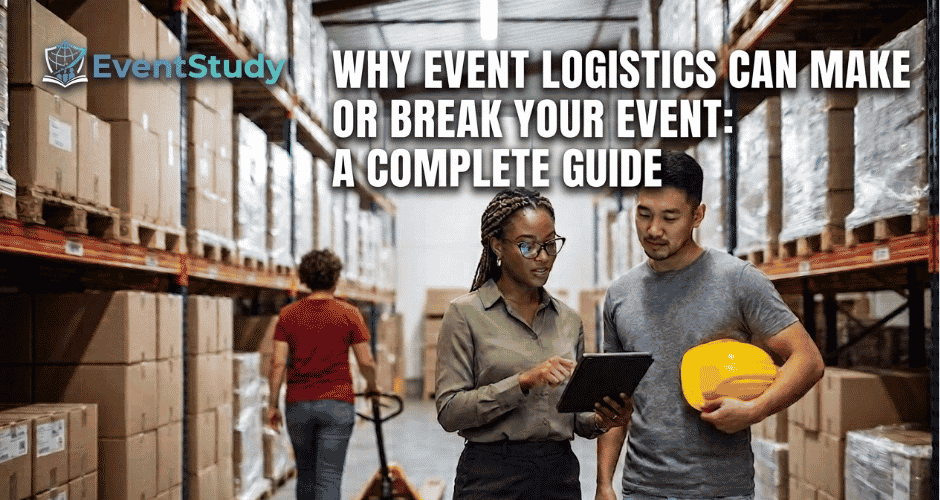
Why Event Logistics Can Make or Break Your Event: A Complete Guide
-
June 29, 2026
-
Updated: July 20, 2026
- Event Industry Insights
Event logistics is the operational backbone of every successful event. While attendees notice the stage, speakers, entertainment, and overall experience, they rarely see the transportation, scheduling, equipment setup, vendor coordination, and contingency planning that make everything run smoothly behind the scenes. Effective event logistics ensures that people, equipment, and services are in the right place at the right time, allowing the event to run safely and efficiently.
From corporate conferences and trade shows to weddings, festivals, and sporting events, event logistics covers every operational detail required to deliver a seamless experience. It involves coordinating venues, managing suppliers, overseeing event schedules, arranging transportation, handling technical equipment, and preparing backup plans for unexpected challenges. Without strong logistics, even a well-designed event can face delays, confusion, or costly disruptions.
As events become larger and more complex, the importance of professional event logistics continues to grow. Modern event planners increasingly rely on technology, real-time communication, and detailed planning to improve efficiency and enhance the attendee experience. Understanding event logistics is essential for anyone involved in planning, managing, or delivering successful events.
Quick Answer Box
Event logistics is the planning, coordination, and execution of all operational aspects of an event, including venue setup, transportation, equipment, staffing, scheduling, vendor management, and emergency planning. Strong logistics ensures a seamless experience, while poor logistics can lead to delays, budget overruns, and dissatisfied attendees.
What Is Event Logistics?
Event logistics is the process of managing all the operational activities required to deliver a successful event. It focuses on coordinating people, equipment, transportation, schedules, venues, and vendors to ensure everything is in the right place at the right time.
The main purpose of event logistics is to keep the event running safely, efficiently, and without disruption. While event planning focuses on creating the event concept and strategy, event logistics turns those plans into reality through careful execution. It is the operational foundation that ensures every behind-the-scenes task is completed successfully.
| Event Planning | Event Logistics |
|---|---|
| Event concept | Event execution |
| Budget creation | Resource allocation |
| Theme and design | Equipment setup |
| Marketing | Transportation |
| Guest experience strategy | Operational coordination |
Why Event Logistics Is Critical to Event Success
Strong event logistics ensures every part of an event runs efficiently. It keeps operations organised, reduces delays, controls costs, and creates a positive experience for everyone involved.
Keeps the Event on Schedule
A detailed logistics plan keeps every activity on time. It includes setup deadlines, speaker schedules, vendor arrival times, and equipment installation, helping the event stay on track from start to finish.
Controls Event Costs
Good logistics helps prevent expensive last-minute changes. It reduces waste, improves the use of staff and equipment, supports accurate budget tracking, and ensures resources are used efficiently.
Enhances Guest Experience
Well-managed logistics creates a smooth experience for attendees. Fast check-in, organised registration, comfortable seating, clear signage, and efficient crowd movement all contribute to higher guest satisfaction.
Improves Vendor Coordination
Event logistics keeps all vendors working together. Caterers, AV teams, decorators, security personnel, and cleaning crews follow coordinated schedules, reducing delays and improving communication.
Reduces Operational Risks
Every event faces unexpected challenges. Effective logistics includes backup plans for equipment failures, bad weather, staff shortages, traffic delays, and power outages, helping minimise disruptions and keep the event running successfully.
Key Components of Event Logistics
Venue Logistics
Venue logistics focuses on preparing the event space for safe and efficient operations. It includes planning the layout, checking venue capacity, ensuring accessibility, managing loading zones for deliveries, and confirming that emergency exits are clearly marked and accessible.
Transportation Logistics
Transportation logistics ensures people and equipment arrive on time. This includes guest transportation, speaker arrivals, shuttle services, parking management, and coordinating deliveries before and during the event.
Equipment and Technical Logistics
Technical logistics covers all equipment needed for the event. Event teams coordinate audio systems, lighting, internet connectivity, presentation screens, and backup generators to avoid technical disruptions.
Staffing Logistics
Every event requires the right people in the right roles. Staffing logistics involves scheduling registration teams, security personnel, ushers, volunteers, and technical staff to ensure smooth event operations.
Vendor Logistics
Vendor logistics manages all external suppliers. This includes coordinating delivery schedules, confirming contracts, maintaining clear communication, and arranging backup vendors in case of unexpected issues.
Inventory Management
Inventory management ensures all event materials are available when needed. This includes furniture, promotional materials, signage, event giveaways (swag), and food and beverage supplies. Careful tracking helps prevent shortages and reduces unnecessary waste.
How Poor Event Logistics Can Ruin an Event
Even a well-planned event can fail if logistics are poorly managed. Small operational mistakes can quickly affect attendees, vendors, and the overall event experience.
| Issue | What Happens | Why It Occurs | How to Prevent It |
|---|---|---|---|
| Registration Delays | Long queues and frustrated guests | Too few staff or slow check-in systems | Use online registration, QR codes, and adequate staffing |
| Missing Equipment | Presentations or performances are delayed | Poor inventory tracking or late deliveries | Create equipment checklists and inspect all items before the event |
| Vendor No-Shows | Essential services are unavailable | Weak communication or lack of backup vendors | Confirm bookings in advance and keep backup suppliers ready |
| Catering Arriving Late | Food service is delayed and guests become dissatisfied | Traffic, scheduling errors, or poor coordination | Schedule early deliveries and maintain regular contact with caterers |
| Double-Booked Venues | Events are disrupted or relocated | Booking mistakes or poor calendar management | Use a central booking system and confirm reservations in writing |
| Insufficient Seating | Guests are left standing or overcrowded | Incorrect attendance estimates | Track registrations accurately and prepare extra seating |
| Internet Failures | Registration, presentations, or live streaming stop working | Weak venue connectivity or technical issues | Test the network beforehand and arrange backup internet access |
| Mismanaged Schedules | Speakers, vendors, or activities fall behind | Poor communication or unrealistic timelines | Share detailed schedules and monitor progress throughout the event |
Step-by-Step Event Logistics Planning Process
Start by identifying the event’s objectives, expected audience size, venue, and budget. These details guide every logistics decision and help allocate resources effectively.
Build a Logistics Timeline
Create a timeline with key milestones to keep planning on track.
| Time | Key Tasks |
|---|---|
| 6 Months Before | Confirm objectives, budget, venue, and major vendors |
| 3 Months Before | Finalise contracts, transportation, and equipment requirements |
| 1 Month Before | Confirm schedules, staffing, registrations, and vendor details |
| 1 Week Before | Test equipment, inspect the venue, and review logistics plans |
| Event Day | Monitor operations, coordinate teams, and resolve issues quickly |
| Post-Event | Collect feedback, return equipment, and evaluate performance |
Coordinate Vendors
Maintain regular communication with all vendors, confirm contracts, share delivery schedules, and ensure everyone understands their responsibilities before the event.
Prepare Backup Plans
Develop contingency plans for bad weather, equipment failures, staff shortages, transportation delays, and medical emergencies. Having alternatives ready helps minimise disruptions.
Conduct Final Logistics Review
Before the event begins, complete a final venue walkthrough, test all equipment, hold team briefings, and confirm every vendor, schedule, and delivery to ensure everything is ready.
Essential Event Logistics Checklist
Before the Event
✅ Venue confirmed
✅ Vendors booked
✅ Equipment tested
✅ Permits obtained
✅ Insurance verified
✅ Staffing assigned
During the Event
✅ Registration operational
✅ Vendor arrivals monitored
✅ Event schedule followed
✅ Crowd flow monitored
✅ Technical support available
After the Event
✅ Equipment returned
✅ Venue inspection completed
✅ Vendor payments processed
✅ Feedback collected
✅ Performance review conducted
Following this checklist helps event teams stay organised, reduce operational risks, and ensure a smooth event from planning through post-event evaluation.
Technology That Simplifies Event Logistics
Modern technology helps event teams manage logistics more efficiently by reducing manual work, improving communication, and providing real-time visibility throughout the event.
| Logistics Task | Technology Used |
|---|---|
| Event Registration | Online registration platforms, QR code check-in, digital ticketing |
| Project Management | Task management software to assign work and track progress |
| Vendor Communication | Shared messaging platforms, email, and vendor management tools |
| Scheduling | Digital calendars, event scheduling software, and automated reminders |
| Budget Tracking | Budget management software and spreadsheets for expense monitoring |
| Floor Planning | Venue layout and seating plan software |
| Attendee Management | Event apps, CRM systems, and attendee databases |
| Real-Time Updates | Mobile event apps, live notifications, and team communication tools |
Automation further improves event logistics by sending reminders automatically, updating schedules in real time, tracking registrations, generating reports, and reducing repetitive administrative tasks. This allows event managers to spend more time solving problems, coordinating teams, and delivering a better experience for attendees.
Best Practices for Effective Event Logistics
Following proven logistics practices helps reduce risks and ensures every event runs smoothly.
Create detailed timelines: Break the project into clear milestones and deadlines to keep everyone on schedule.
Maintain clear communication: Keep clients, vendors, staff, and volunteers informed with regular updates.
Use centralized documentation: Store schedules, contracts, contact lists, and checklists in one accessible location.
Assign responsibilities: Clearly define each team member’s role to avoid confusion and duplicated work.
Build contingency plans: Prepare backup solutions for weather, equipment failures, transportation delays, and staffing issues.
Test equipment early: Check audio, lighting, internet, and presentation systems before the event begins.
Monitor budgets continuously: Track expenses throughout the planning process to avoid overspending.
Conduct rehearsals: Run through the event schedule with staff, speakers, and vendors to identify potential issues.
Review lessons after each event: Collect feedback, evaluate performance, and document improvements for future events.
Common Event Logistics Mistakes to Avoid
Avoiding common logistics mistakes can save time, reduce costs, and improve the overall success of an event.
| Mistake | Why It’s a Problem | How to Avoid It |
|---|---|---|
| Underestimating Setup Time | Causes delays and last-minute stress before the event starts. | Build extra time into the setup schedule and allow for unexpected delays. |
| Poor Communication | Leads to confusion among staff, vendors, and clients. | Share clear schedules, contact lists, and regular updates with everyone involved. |
| Ignoring Contingency Planning | Small problems can become major disruptions. | Prepare backup plans for weather, equipment, staffing, and transportation. |
| Booking Vendors Late | Limits availability and may increase costs. | Secure key vendors early and confirm contracts well in advance. |
| Overlooking Accessibility | Some guests may struggle to access the venue or services. | Ensure accessible entrances, seating, restrooms, and clear signage are available. |
| Inadequate Staffing | Creates long queues, slow service, and operational delays. | Schedule enough staff and volunteers for each area of the event. |
| Weak Inventory Management | Essential items may be missing or unavailable when needed. | Maintain detailed inventory lists and check all equipment before the event. |
| Failing to Test Technology | Audio, lighting, internet, or presentation systems may fail during the event. | Test all technical equipment in advance and keep backup equipment available. |
Event Logistics for Different Types of Events
Different events have unique logistics requirements. Understanding these priorities helps event teams allocate resources effectively and deliver a smooth experience.
| Event Type | Logistics Priorities |
|---|---|
| Corporate Conferences | AV equipment, attendee registration, speaker coordination, meeting schedules |
| Weddings | Catering, décor, guest seating, transportation, and event timing |
| Trade Shows | Booth setup, exhibitor coordination, loading schedules, and visitor flow |
| Concerts | Stage setup, security, crowd management, lighting, and sound systems |
| Festivals | Transportation, sanitation, crowd control, vendor management, and emergency services |
| Hybrid Events | Live streaming, high-speed internet, technical support, and virtual attendee engagement |
Successful event logistics depends on tailoring operational plans to the specific needs of each event type while ensuring safety, efficiency, and a positive attendee experience.
Future Trends in Event Logistics
Technology is transforming event logistics by making operations faster, smarter, and more efficient. The following trends are expected to shape the future of event logistics in 2026 and beyond.
AI-Assisted Scheduling: Artificial intelligence helps create optimized schedules, assign resources, and adjust timelines automatically when changes occur.
RFID Attendee Tracking: RFID badges allow organizers to monitor attendee movement, improve crowd management, and provide real-time attendance data.
Contactless Check-In: QR codes, mobile tickets, facial recognition, and self-service kiosks reduce wait times and improve the arrival experience.
Sustainable Logistics: Event organizers are adopting eco-friendly transportation, digital materials, reusable equipment, and waste reduction strategies to minimize environmental impact.
Smart Venue Management: Connected sensors and smart building systems monitor occupancy, lighting, energy use, and room conditions to improve operational efficiency.
Real-Time Logistics Dashboards: Live dashboards allow event teams to track schedules, vendor status, attendee numbers, and operational issues from a single platform.
Predictive Resource Planning: Data analytics and AI forecast staffing, inventory, catering, and equipment needs, helping reduce waste and improve resource allocation.
Automation and Robotics: Automated check-in systems, inventory tracking, chatbots, and robotic delivery solutions reduce manual tasks and improve event operations.
As these technologies continue to evolve, event logistics will become more data-driven, automated, and sustainable, enabling event teams to deliver safer, smoother, and more personalized experiences.
Conclusion
Event logistics is the foundation of successful event execution. While attendees focus on the experience, effective logistics ensures that every operational detail—from transportation and equipment to staffing and vendor coordination—works together seamlessly behind the scenes. Without strong logistics, even the best event ideas can face delays, disruptions, and unnecessary costs.
Careful coordination, proactive planning, and clear communication help event teams minimize risks, stay within budget, and keep every stage of the event running on schedule. By combining detailed planning with modern technology and contingency strategies, event organizers can deliver safe, efficient, and memorable experiences. Investing in strong event logistics is essential for ensuring every event achieves its goals and leaves a lasting positive impression on attendees.
Frequently Asked Questions
1. What is event logistics?
Event logistics is the coordination of all operational activities required to deliver a successful event, including transportation, equipment, staffing, scheduling, and vendor management.
2. Why is logistics important for events?
Logistics keeps the event organised, on schedule, and within budget while ensuring a smooth experience for attendees, vendors, and staff.
3. What are the biggest event logistics challenges?
Common challenges include vendor delays, equipment failures, traffic, bad weather, staffing shortages, and last-minute schedule changes.
4. What skills are needed for event logistics?
Strong organisation, communication, problem-solving, time management, budgeting, and coordination skills are essential.
5. How do you create an event logistics plan?
Start by defining the event requirements, creating a timeline, coordinating vendors, preparing contingency plans, and conducting a final logistics review before the event.
6. What technology supports event logistics?
Event registration software, project management tools, scheduling platforms, budget tracking systems, event apps, and real-time communication tools all help streamline logistics.
7. How can logistics reduce event costs?
Effective logistics prevents last-minute expenses, reduces waste, improves resource allocation, and helps keep the event within budget.
8. What’s the difference between event planning and event logistics?
Event planning focuses on the event concept, design, and strategy, while event logistics manages the operational execution needed to bring the plan to life.
9. What types of events require logistics planning?
All events—including conferences, weddings, trade shows, festivals, concerts, sporting events, and hybrid events—require detailed logistics planning.
10. How do contingency plans improve event logistics?
Contingency plans prepare event teams for unexpected issues such as bad weather, technical failures, transportation delays, or staff shortages, helping the event continue with minimal disruption.
Sign up to receive our latest updates
Get in touch
Call us directly?
020 8904 8326
Address
63 Cowcross St, Islington, London EC1M 6BP, United Kingdom
info@eventstudy.org.uk
Need some help?
Popular categories