
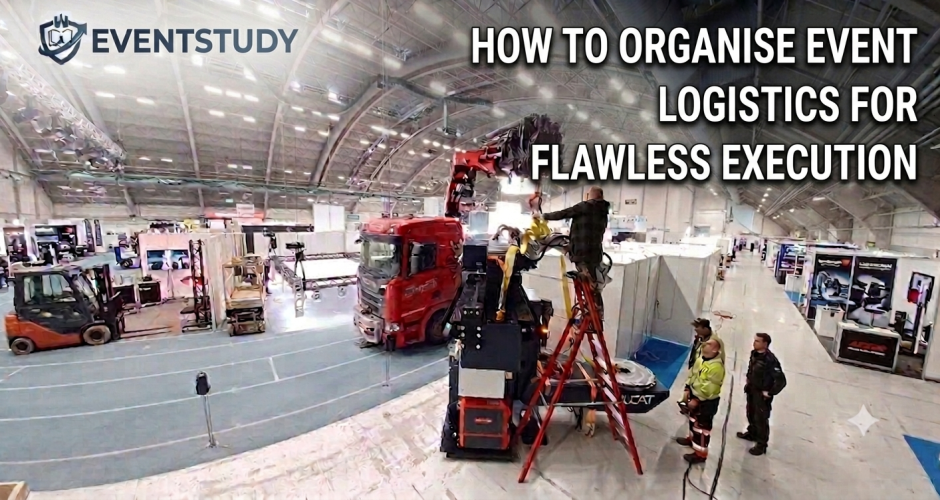
How to Organise Event Logistics for Flawless Execution
-
July 14, 2026
-
Updated: July 20, 2026
- Event Industry Insights
Event logistics is the operational foundation behind every successful event. Even the most creative event concepts can fail without proper planning of schedules, suppliers, transportation, staffing, equipment, venue operations, and contingency plans. Effective event logistics planning ensures that every detail works together smoothly from preparation to completion.
Flawless execution depends on early planning, clear responsibilities, strong communication, detailed timelines, and effective risk management. Through organised event operations, strategic event coordination, and real-time decision-making, organisers can create seamless experiences while improving the attendee experience and overall event success.
Quick Answer Box
Organising event logistics involves planning and managing every operational detail of an event, including venue setup, vendor coordination, transportation, equipment, staffing, scheduling, guest movement, and contingency planning. A well-structured logistics plan ensures smooth execution and a positive attendee experience.
What Is Event Logistics?
Event logistics refers to the process of planning, organising, and managing all operational details required to successfully deliver an event. It covers everything from supplier coordination and transportation planning to venue management, staffing, equipment handling, and on-site operations.
The main goal of event logistics is to ensure that every element works together at the right time and place. Strong event logistics planning creates a structured event workflow where resources, people, and processes are properly coordinated to support smooth event execution.
Role of Logistics in Event Management
Logistics plays a critical role in event management because it turns ideas and plans into real-world experiences. While an event concept may define what an event should achieve, logistics ensures that the necessary resources and actions are available to make it happen.
Effective logistics management supports:
Event setup and breakdown
Supplier management
Vendor coordination
Transportation planning
Event staffing
Technical logistics
Guest management
Crowd management
On-site event management
Without proper logistics, even well-designed events can experience delays, communication problems, safety issues, and poor attendee experiences.
Difference Between Event Planning and Event Logistics
Although event planning and event logistics are closely connected, they focus on different parts of the event planning process. Event planning focuses on creating the vision, objectives, and overall experience, while event logistics focuses on the operational execution required to deliver that vision.
| Event Planning | Event Logistics |
|---|---|
| Creates the event concept | Executes the operational plan |
| Defines objectives | Coordinates resources |
| Develops theme and experience | Manages setup and delivery |
| Focuses on vision | Focuses on execution |
Event planning establishes the direction of the event, while event logistics ensures every operational detail is completed successfully. A strong event coordination strategy requires both creative planning and effective operational planning to achieve flawless event execution.
Why Event Logistics Is Important for Successful Events
Event logistics is one of the most important factors behind successful event execution because it connects planning, resources, people, and operations into one coordinated system. From venue preparation to guest services, every operational detail affects how smoothly an event runs.
Strong event logistics planning helps organisers manage schedules, suppliers, equipment, transportation, staffing, and technical requirements effectively. It supports better event workflow, reduces operational challenges, and ensures that every part of the event contributes to a positive attendee experience.
Attendee Experience
A successful event depends on creating a smooth and enjoyable experience for attendees from arrival to departure. Effective event logistics planning ensures that every guest interaction is carefully managed, from registration processes to venue movement and support services.
Strong guest management and on-site event management help organisers reduce confusion, improve comfort, and create a positive attendee experience. When operational details are handled properly, visitors can focus on enjoying the event rather than dealing with delays or difficulties.
Key areas that improve attendee experience include:
Smooth Registration
Registration is often the first interaction attendees have with an event, making it an important part of event execution. A well-organised registration process reduces delays and creates a professional first impression.
Effective registration planning includes:
Clear check-in areas
Digital registration systems
Trained event staffing
Queue management
Quick guest verification
Smooth registration improves event workflow and helps guests enter the venue efficiently.
Easy Navigation
Easy navigation allows attendees to move around the venue without confusion. Proper venue management ensures that guests can quickly locate important areas such as entrances, seating zones, meeting spaces, food areas, and facilities.
Navigation improvements include:
Clear signage
Venue maps
Directional support staff
Digital navigation tools
Clearly marked pathways
Good navigation supports crowd management and creates a more comfortable visitor experience.
Comfortable Seating
Comfortable seating arrangements contribute to guest satisfaction and overall event quality. Organisers must consider venue capacity, audience needs, accessibility requirements, and event format when planning seating layouts.
Important seating considerations include:
Adequate space between areas
Accessible seating options
Clear sightlines
Comfortable arrangements
Efficient venue utilisation
Proper seating planning improves attendee comfort and supports effective event operations.
Reduced Waiting Times
Reducing waiting times is essential for maintaining a positive guest experience. Delays at entrances, food areas, sessions, or activity zones can affect attendee satisfaction and disrupt the event timeline.
Ways to reduce waiting times include:
Better queue planning
Additional staff support
Efficient scheduling
Digital solutions
Improved vendor coordination
Effective operational planning helps maintain smooth event coordination and better audience satisfaction.
Efficient Guest Services
Guest services provide essential support throughout the event journey. A well-prepared support team helps attendees receive information, solve issues, and navigate the venue confidently.
Guest service elements include:
Information desks
Support staff
Accessibility assistance
Emergency guidance
Feedback collection
Efficient guest services strengthen event management and create a more professional attendee experience.
Event Schedule Management
Managing the event schedule is a critical part of event logistics because timing affects every aspect of event execution. A well-planned event timeline ensures that speakers, performers, vendors, and staff are coordinated properly throughout the event.
Strong schedule management reduces delays, improves event workflow, and helps maintain smooth transitions between different activities. Effective event coordination ensures that every participant understands their responsibilities and timing requirements.
Key schedule management areas include:
Timely Speaker Arrivals
Ensuring speakers arrive on time is essential for conferences, seminars, and corporate events. Delayed arrivals can affect session timing and create disruptions throughout the event schedule.
Speaker coordination involves:
Confirming arrival times
Providing clear schedules
Managing transportation needs
Preparing backstage areas
Assigning event staff support
Proper planning helps maintain a professional event flow and prevents unnecessary delays.
Performer Schedules
Entertainment and performances require precise timing to ensure smooth transitions between acts. Strong coordination between performers, production teams, and venue staff helps avoid technical or scheduling issues.
Performer management includes:
Confirmed performance times
Rehearsal schedules
Technical requirements
Stage preparation
Backstage coordination
Effective AV coordination and event production planning ensure performances run smoothly.
Vendor Deadlines
Vendors play an important role in event delivery, from catering and décor to equipment and technical services. Managing vendor deadlines ensures that all required elements are ready before the event begins.
Vendor coordination includes:
Delivery schedules
Setup deadlines
Supplier communication
Equipment requirements
Final confirmations
Strong supplier management helps prevent last-minute problems and supports successful event setup.
Session Transitions
Smooth transitions between sessions, activities, or programme segments help maintain audience engagement and prevent delays. Organisers must coordinate speakers, staff, equipment, and venue operations to keep the event moving efficiently.
Transition planning includes:
Clear timing schedules
Staff communication
Technical preparation
Stage management
Audience guidance
Effective session transitions improve event execution and create a seamless experience for both attendees and event teams.
By managing schedules carefully, organisers can strengthen event coordination, improve operational planning, and ensure every part of the event works together successfully.
Budget Control
Effective budget control is an essential part of event logistics planning because it ensures that resources are used efficiently and unexpected expenses are minimised. Strong financial management allows organisers to maintain control over event operations while delivering the required quality and experience.
Proper budget management supports supplier management, vendor coordination, and operational planning by ensuring that every expense is planned, tracked, and approved. Without effective cost control, events may face financial pressure, delays, or compromises in event execution.
Key areas of budget control include:
Preventing Unexpected Costs
Unexpected expenses can quickly affect an event budget if they are not identified early. Detailed planning helps organisers understand all operational requirements and prepare financially for potential challenges.
Preventive measures include:
Creating a detailed event budget
Identifying hidden costs
Including contingency funds
Reviewing supplier requirements
Monitoring expenses regularly
Careful planning reduces financial risks and supports smoother event coordination.
Avoiding Last-Minute Purchases
Last-minute purchases often cost more and can create unnecessary pressure during event preparation. Early planning allows organisers to secure resources at better prices and avoid emergency decisions.
Ways to prevent last-minute costs include:
Preparing an event checklist
Confirming requirements early
Setting clear deadlines
Completing event setup plans in advance
Tracking inventory and resources
This improves event workflow and helps teams maintain better control over event production.
Managing Supplier Contracts
Supplier contracts are an important part of event logistics because they define responsibilities, costs, timelines, and service expectations. Proper contract management helps prevent misunderstandings and operational issues.
Important contract considerations include:
Clear service agreements
Payment schedules
Delivery deadlines
Cancellation terms
Supplier responsibilities
Strong supplier management improves vendor coordination and ensures reliable event execution.
Tracking Resources
Resource tracking helps organisers understand how equipment, staff, materials, and budgets are being used throughout the event planning process.
Resource management includes:
Monitoring equipment usage
Managing staff requirements
Tracking supplies
Reviewing supplier deliveries
Updating operational plans
Effective resource tracking improves event operations and supports efficient event execution.
Risk Reduction
Risk reduction is a major part of successful event logistics because every event involves potential challenges that can affect operations. Through proper risk management and contingency planning, organisers can prepare solutions before problems occur.
Strong risk planning protects the attendee experience, improves safety, and helps teams respond quickly during unexpected situations.
Key risk reduction areas include:
Backup Plans
Backup plans help organisers continue event operations when unexpected issues occur. A strong contingency plan ensures that alternative solutions are available when the original plan cannot be followed.
Backup planning may include:
Alternative venues
Emergency schedules
Backup suppliers
Additional equipment options
Weather alternatives
Effective contingency planning improves event execution and reduces disruption.
Safety Procedures
Safety procedures are essential for protecting guests, staff, and suppliers throughout the event. Proper planning ensures that everyone understands emergency processes and operational responsibilities.
Safety measures include:
Emergency response plans
Security procedures
Medical support
Evacuation routes
Safety briefings
Strong safety planning supports venue management and improves overall event management.
Equipment Failures
Technical and equipment failures can affect event production, presentations, entertainment, and guest experiences. Preparing for possible equipment problems helps organisers maintain smooth operations.
Equipment risk management includes:
Testing equipment before the event
Preparing backup systems
Having technical support available
Monitoring technical logistics
Coordinating with AV teams
Proper AV coordination reduces technical disruptions and supports reliable event execution.
Weather Issues
Weather conditions can create challenges, especially for outdoor events. Organisers must prepare strategies that protect guests, equipment, and schedules.
Weather planning may include:
Alternative indoor spaces
Weather monitoring
Shelter options
Flexible event timelines
Protective equipment plans
Effective weather preparation improves operational planning and helps maintain a positive attendee experience.
Staffing Problems
Insufficient staffing can affect guest services, security, activity management, and overall event workflow. Having a prepared staffing strategy ensures that all operational areas remain supported.
Staffing risk solutions include:
Maintaining backup staff lists
Assigning clear responsibilities
Providing staff training
Creating communication systems
Monitoring staffing needs
Strong event staffing improves on-site event management and helps organisers deliver smooth and professional event experiences.
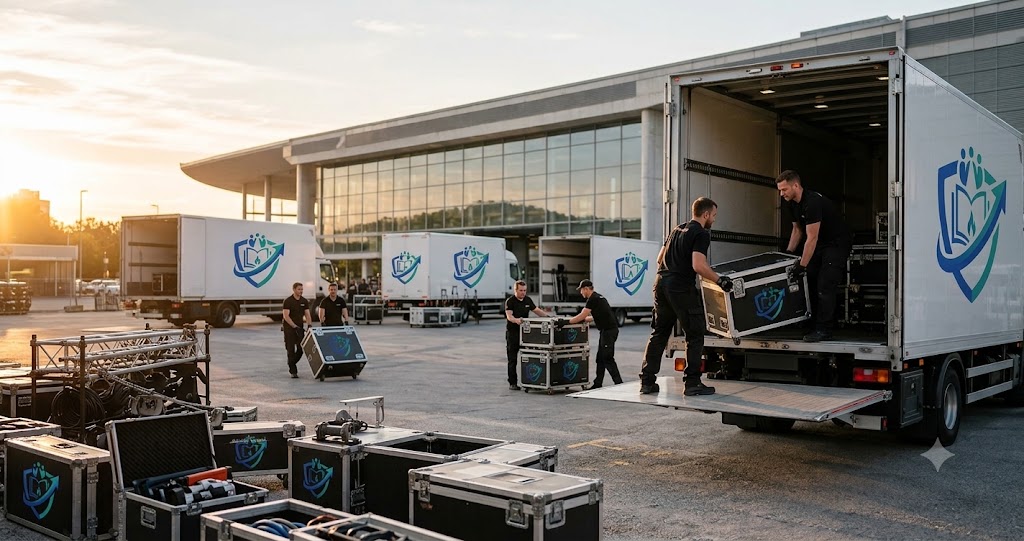
Key Components of Event Logistics
Successful event execution depends on several connected logistics elements working together. From venue management and supplier coordination to transportation planning, technical logistics, staffing, and guest management, every component plays an important role in creating a smooth event workflow. Effective event logistics planning ensures that resources are organised, responsibilities are clear, and operations run efficiently throughout the entire event planning process. By managing each area carefully, organisers can improve event coordination, reduce risks, and deliver a seamless attendee experience.
Venue Logistics
Venue logistics is one of the most important parts of event logistics planning because the venue affects every stage of event execution. The right venue must support the event concept while providing the space, facilities, accessibility, and operational requirements needed for smooth event operations.
Effective venue management ensures that organisers can coordinate suppliers, manage guests, support technical logistics, and create a comfortable attendee experience. Careful planning of the venue layout, access points, and safety requirements helps prevent operational challenges during the event.
Key areas of venue logistics include:
Venue Selection
Choosing the right venue is essential for successful event coordination. The venue should match the event type, audience size, operational requirements, and overall objectives.
Consider:
Location and accessibility
Venue capacity
Available facilities
Technical capabilities
Parking options
Safety requirements
A suitable venue supports better event workflow and improves the overall visitor experience.
Floor Plans
A detailed floor plan helps organisers visualise how different areas will function during the event. It supports efficient event setup, guest movement, and vendor coordination.
Floor plans should include:
Seating arrangements
Registration areas
Stage locations
Food and beverage areas
Sponsor spaces
Emergency routes
Well-designed layouts improve crowd management and create smoother event operations.
Capacity Planning
Capacity planning ensures that the venue can safely accommodate the expected number of attendees. Overcrowding can affect safety, comfort, and overall event execution.
Capacity planning involves:
Guest numbers
Seating requirements
Activity areas
Staff requirements
Crowd flow management
Proper planning helps maintain a safe and enjoyable attendee experience.
Accessibility
Accessibility ensures that all guests can comfortably participate in the event. Organisers should consider the needs of different visitors when planning venue operations.
Accessibility considerations include:
Accessible entrances
Suitable pathways
Seating options
Restroom access
Clear signage
Good accessibility supports guest management and creates a more inclusive event environment.
Loading Areas
Loading areas are important for supplier management and event setup. Proper access allows vendors, production teams, and suppliers to deliver equipment and materials efficiently.
Planning should include:
Delivery schedules
Vehicle access
Equipment movement
Supplier coordination
Setup timelines
Effective loading area management supports smooth event production.
Emergency Exits
Emergency exits are essential for maintaining safety during an event. Organisers must ensure that exit routes are clearly identified and accessible.
Safety planning should include:
Clearly marked exits
Emergency pathways
Safety instructions
Staff awareness
Evacuation procedures
Proper emergency planning supports risk management and protects attendees.
Parking Arrangements
Parking arrangements influence the overall guest experience, especially for large events. Organisers should plan vehicle access and parking solutions to reduce confusion and delays.
Consider:
Parking capacity
Drop-off points
Transport connections
Signage
Traffic management
Good parking planning improves transportation planning and supports smoother event coordination.
Venue Checklist
Before confirming a venue, organisers should review the following:
| Checklist Item | Consideration |
|---|---|
| Is the space suitable for the audience size? | Ensure the venue can comfortably accommodate expected attendees. |
| Are suppliers able to access the venue? | Confirm loading areas, delivery access, and setup requirements. |
| Are power and technical facilities available? | Check electricity, AV support, and technical logistics capabilities. |
| Is there a backup plan? | Prepare alternative solutions for unexpected issues. |
A well-planned venue strategy creates a strong foundation for event execution, supporting efficient event operations, better event coordination, and a positive attendee experience.
Vendor Management
Vendor management is a critical part of event logistics planning because suppliers play a major role in delivering the services and resources required for successful event execution. From catering and technical support to décor and entertainment, effective vendor coordination ensures that every supplier understands their responsibilities, timelines, and operational requirements.
Strong supplier management helps organisers maintain quality, control costs, and avoid delays during event setup and on-site operations. Clear communication, detailed agreements, and organised workflows allow vendors to work efficiently while supporting the overall attendee experience.
Key vendor coordination areas include:
Caterers
Caterers are responsible for delivering food and beverage services that meet guest expectations and event requirements. Proper coordination ensures that menus, preparation areas, delivery times, and service standards are managed effectively.
Catering coordination includes:
Menu confirmation
Food preparation schedules
Service arrangements
Dietary requirements
Setup and breakdown timelines
Effective catering management improves guest satisfaction and supports smooth event operations.
AV Suppliers
AV suppliers handle important technical elements such as sound systems, lighting, screens, and presentation equipment. Strong coordination with AV teams is essential for successful technical logistics and event production.
AV coordination includes:
Equipment requirements
Technical rehearsals
Setup schedules
Power requirements
On-site technical support
Proper planning reduces technical issues and ensures seamless event execution.
Decorators
Decorators help create the visual identity and atmosphere of an event. Coordinating with décor teams ensures that designs are delivered according to the event theme, timeline, and venue requirements.
Decorator coordination includes:
Design approvals
Material requirements
Installation schedules
Venue restrictions
Event setup plans
Effective décor management supports venue management and enhances the overall attendee experience.
Security Teams
Security teams help maintain a safe and organised event environment. Proper coordination ensures that security responsibilities, access control, and emergency procedures are clearly defined.
Security planning includes:
Entry management
Crowd management
Emergency response
Staff communication
Safety procedures
Strong security coordination supports risk management and improves guest confidence.
Transportation Providers
Transportation providers support the movement of guests, staff, equipment, and suppliers. Proper planning ensures smooth arrivals, departures, and logistics operations.
Transportation coordination includes:
Vehicle schedules
Pickup and drop-off plans
Driver communication
Route planning
Delivery timelines
Effective transportation planning improves event workflow and reduces delays.
Entertainment Vendors
Entertainment vendors provide performances, activities, and experiences that contribute to the overall event atmosphere. Coordination ensures that performers have the resources and timing information needed for successful delivery.
Entertainment coordination includes:
Performance schedules
Technical requirements
Rehearsal times
Stage access
Vendor communication
Proper planning supports event production and creates a memorable attendee experience.
Vendor Management Requirements
Contracts
Clear contracts help define expectations between organisers and vendors. They should outline services, costs, deadlines, responsibilities, and payment terms.
Important contract details include:
Scope of work
Service agreements
Delivery requirements
Cancellation policies
Payment schedules
Well-managed contracts reduce misunderstandings and support successful event coordination.
Delivery Schedules
Delivery schedules ensure that vendors complete their tasks at the correct time without disrupting other event activities.
Planning should include:
Arrival times
Setup deadlines
Equipment delivery
Installation periods
Breakdown schedules
A clear event timeline helps vendors work efficiently and supports smooth event setup and event breakdown.
Communication Channels
Effective communication is essential for successful vendor coordination. Organisers should establish clear communication systems before and during the event.
Communication methods may include:
Vendor contact lists
Group communication platforms
Regular updates
On-site coordination teams
Emergency contacts
Strong communication improves event workflow and reduces operational issues.
Vendor Briefing Documents
Vendor briefing documents provide suppliers with all essential event information in one place. These documents help ensure that every team understands expectations and procedures.
A vendor briefing document may include:
Event timeline
Venue details
Setup instructions
Access information
Safety requirements
Contact details
Proper vendor briefings improve supplier management, strengthen event coordination strategy, and help deliver seamless event execution.

Equipment and Technical Logistics
Equipment and technical logistics are essential parts of event logistics planning because technology supports communication, entertainment, presentations, and the overall attendee experience. From sound systems and lighting to staging and internet connectivity, every technical element must be properly planned, tested, and managed to ensure smooth event execution.
Strong technical logistics and AV coordination help prevent disruptions during the event. Proper equipment planning also supports event production by ensuring that all technical requirements are available at the right time and location.
Key technical logistics components include:
Sound Systems
Sound systems are critical for delivering clear communication and entertainment during events. Poor audio quality can affect presentations, performances, and audience engagement.
Sound planning includes:
Microphones
Speakers
Audio mixing equipment
Sound checks
Technical support
Proper sound management ensures that speakers, performers, and announcements are delivered clearly.
Lighting
Lighting plays an important role in creating the right event atmosphere while supporting visibility and safety. Effective lighting design enhances presentations, performances, branding, and venue appearance.
Lighting requirements may include:
Stage lighting
Decorative lighting
Spotlights
Ambient lighting
Emergency lighting
Well-planned lighting improves event production quality and creates a more engaging environment.
Screens
Screens are often used to display presentations, videos, branding content, schedules, and live event visuals. They help ensure that information is visible to all attendees.
Screen planning includes:
Display size
Placement
Content requirements
Connection systems
Backup options
Proper screen management improves audience engagement and supports smooth event operations.
Staging
Staging provides the foundation for performances, speakers, and event activities. It must be designed according to venue requirements, audience size, and production needs.
Stage planning includes:
Stage size
Setup schedule
Safety requirements
Equipment placement
Performer access
Effective staging coordination supports event setup and ensures a professional event experience.
Internet Connectivity
Reliable internet connectivity is increasingly important for modern events that use digital tools, live streaming, mobile apps, and interactive experiences.
Internet planning should include:
Network capacity
Wi-Fi access
Technical support
Backup connectivity
Digital system testing
Strong connectivity supports event technology and improves operational efficiency.
Power Supply
A reliable power supply is essential for running technical equipment throughout the event. Power failures can disrupt presentations, entertainment, lighting, and digital experiences.
Power planning includes:
Electricity requirements
Cable management
Power distribution
Safety checks
Backup power solutions
Proper power management reduces technical risks and supports uninterrupted event execution.
Backup Equipment
Backup equipment helps organisers prepare for unexpected technical failures. Having replacement systems available reduces downtime and ensures that the event can continue smoothly.
Backup planning may include:
Spare microphones
Extra cables
Backup screens
Additional batteries
Alternative technical solutions
Prepared backup systems support risk management and improve event reliability.
Importance of Technical Testing
Technical testing is essential because it identifies potential issues before the event begins. Testing allows technical teams to confirm that all equipment, systems, and connections are working correctly.
Technical testing should include:
Full equipment checks
Sound testing
Lighting tests
Screen verification
Internet testing
Power checks
Technical rehearsals
Proper testing reduces the risk of equipment failures, improves AV coordination, and ensures smooth on-site event management. By prioritising technical preparation, organisers can deliver reliable event operations and a seamless attendee experience.
Transportation and Guest Movement
Transportation and guest movement are important parts of event logistics planning because they directly affect how easily attendees, suppliers, staff, and VIP guests can access and move around the event. Effective transportation planning ensures smooth arrivals, organised movement, and better coordination between venues, vendors, and event teams.
Poor transportation management can create delays, confusion, and frustration for attendees. Even a well-planned event can receive negative feedback if guests experience long waiting times, difficult parking situations, or unclear movement routes. Strong transportation planning improves event workflow, supports guest management, and contributes to a positive attendee experience.
Key areas of transportation and guest movement include:
Parking
Parking arrangements play an important role in creating a smooth arrival experience for guests. Poorly planned parking areas can lead to traffic congestion, long walking distances, and delays before the event begins.
Parking planning should include:
Sufficient parking capacity
Clear entry and exit points
Directional signage
Accessible parking spaces
Staff support for guidance
Effective parking management improves venue management and helps guests start their event experience comfortably.
Shuttle Services
Shuttle services are useful for large events, remote venues, and situations where additional transportation support is needed. Well-organised shuttle operations help reduce congestion and provide convenient travel options for attendees.
Shuttle planning includes:
Pickup and drop-off locations
Timetable coordination
Vehicle capacity
Route planning
Guest communication
Efficient shuttle services improve transportation planning and support smoother event coordination.
VIP Transportation
VIP transportation requires additional attention to timing, privacy, and comfort. Speakers, performers, executives, and special guests often require carefully managed travel arrangements.
VIP transportation planning includes:
Dedicated vehicles
Arrival schedules
Driver coordination
Security requirements
Private access routes
Proper VIP management supports professional event execution and creates a high-quality guest experience.
Delivery Routes
Delivery routes are essential for supplier management and event setup. Vendors, production teams, and suppliers need clear access routes to deliver equipment, décor, catering supplies, and technical resources.
Delivery planning should include:
Supplier arrival times
Loading access
Vehicle restrictions
Equipment movement plans
Venue coordination
Effective delivery route planning supports event setup, event production, and smooth operational planning.
Crowd Movement
Crowd movement planning helps maintain safety, comfort, and efficient visitor flow throughout the event. Poor movement planning can create overcrowding, blocked pathways, and delays.
Crowd management strategies include:
Clear walking routes
Entrance and exit planning
Staff guidance
Queue management
Activity area organisation
Strong crowd movement planning improves event operations and helps create a better attendee experience.
Impact of Poor Transportation Planning
Poor transportation planning can negatively affect attendee satisfaction by creating unnecessary stress before and after the event. Delayed arrivals, limited parking, unclear directions, and inefficient guest movement can reduce enjoyment and influence how visitors perceive the entire event.
Common problems caused by poor transportation planning include:
Late guest arrivals
Missed sessions or performances
Increased frustration
Traffic congestion
Poor first impressions
By prioritising transportation planning and guest movement strategies, organisers can improve event coordination, reduce operational challenges, and ensure a smoother event experience from arrival to departure.
Staffing and Team Coordination
Staffing and team coordination are essential parts of event logistics planning because the success of an event depends on having the right people managing the right responsibilities. A well-organised team ensures that event operations run smoothly, problems are handled quickly, and guests receive consistent support throughout the event.
Effective event staffing supports event coordination, guest management, crowd management, and on-site event management. Clear roles, strong communication, and proper preparation help teams work together efficiently and deliver successful event execution.
Key roles in event staffing include:
Event Manager
The event manager oversees the overall event planning process and ensures that all operational elements work together. They are responsible for coordinating teams, monitoring progress, and making important decisions before and during the event.
Responsibilities include:
Managing the overall event workflow
Coordinating departments
Reviewing timelines
Handling major issues
Ensuring successful event execution
The event manager provides leadership and ensures that all teams follow the event coordination strategy.
Operations Coordinator
The operations coordinator manages the practical details of event logistics and ensures that daily activities are completed according to plan.
Responsibilities include:
Managing event setup and breakdown
Coordinating suppliers
Monitoring schedules
Supporting venue operations
Managing operational updates
This role helps maintain smooth event operations and effective operational planning.
Registration Staff
Registration staff are responsible for welcoming guests and managing the check-in process. They create the first point of contact between attendees and the event team.
Responsibilities include:
Guest check-in
Ticket verification
Providing event information
Managing registration systems
Supporting attendee questions
Efficient registration support improves guest management and creates a positive attendee experience.
Volunteers
Volunteers provide additional support across different areas of the event. They help improve guest communication and assist with activities, directions, and general operations.
Volunteer responsibilities may include:
Guiding attendees
Supporting activities
Providing information
Assisting event teams
Managing visitor needs
Well-trained volunteers contribute to smoother event coordination and better crowd management.
Security Team
The security team plays an important role in maintaining safety and managing risks during events. They support crowd control, emergency procedures, and access management.
Responsibilities include:
Monitoring entrances
Supporting crowd management
Managing safety procedures
Responding to emergencies
Coordinating with venue teams
Strong security coordination supports risk management and safe event execution.
Technical Crew
Technical crews manage the equipment and systems required for successful event production. They handle sound, lighting, screens, and other technical logistics.
Responsibilities include:
Equipment setup
AV coordination
Technical testing
Troubleshooting
Managing technical requirements
A skilled technical team ensures reliable event technology and reduces technical disruptions.
Vendor Coordinators
Vendor coordinators act as the communication link between organisers and suppliers. They ensure that vendors understand schedules, requirements, and operational expectations.
Responsibilities include:
Managing supplier communication
Confirming delivery schedules
Monitoring vendor performance
Coordinating setup requirements
Supporting supplier management
Effective vendor coordination helps maintain smooth event workflow.
Importance of Staff Briefing
Staff briefing is essential because it ensures that every team member understands their responsibilities, schedules, and procedures before the event begins.
A successful staff briefing should cover:
Event timeline
Team responsibilities
Venue information
Emergency procedures
Communication methods
Guest service expectations
Proper briefing improves teamwork and helps prevent confusion during event execution.
Clear Responsibilities
Clearly defined responsibilities help avoid mistakes and ensure that every operational area is managed properly. When staff members understand their roles, teams can respond faster and work more efficiently.
Clear responsibility planning includes:
Assigned tasks
Reporting structures
Department responsibilities
Decision-making authority
Escalation procedures
This improves event workflow and supports effective event management.
Communication Protocols
Strong communication protocols are necessary for coordinating teams during fast-moving events. Without clear communication systems, important information may be delayed or misunderstood.
Communication planning should include:
Contact lists
Team communication channels
Emergency contacts
Regular updates
On-site coordination systems
Effective communication improves event coordination, reduces risks, and helps teams deliver seamless event execution.
Registration and Guest Management
Registration and guest management are important parts of event logistics planning because they shape the first impression attendees have of an event. A smooth registration process helps guests enter efficiently, receive the information they need, and begin their experience without unnecessary delays.
Effective guest management supports event operations by improving attendee flow, reducing waiting times, and ensuring that visitor needs are handled professionally. Through proper planning of check-in systems, staffing, and communication, organisers can create a more organised and welcoming event environment.
Key areas of registration and guest management include:
Check-in Systems
Check-in systems help organisers manage attendee arrivals efficiently while reducing congestion at entry points. Modern events often use digital solutions to improve speed, accuracy, and guest convenience.
Effective check-in planning includes:
Digital registration platforms
Ticket verification systems
QR code scanning
Guest databases
On-site registration support
A well-managed check-in process improves event workflow and creates a positive attendee experience from the beginning.
Badge Printing
Badge printing is commonly used for conferences, corporate events, exhibitions, and large gatherings where attendee identification is important. Proper badge management helps improve security, networking, and access control.
Badge planning includes:
Preparing attendee information
Printing systems
Backup supplies
Access categories
Badge collection points
Efficient badge printing supports venue management and helps staff manage guest movement effectively.
Queue Management
Queue management is essential for preventing overcrowding and reducing frustration during registration and entry. Poorly organised queues can create delays and negatively affect the overall visitor experience.
Effective queue management includes:
Clearly marked waiting areas
Separate registration lines
Additional staff support
Digital queue systems
Clear signage
Good queue planning improves crowd management and ensures smoother event coordination.
VIP Handling
VIP handling requires special attention to ensure important guests receive a professional and comfortable experience. Speakers, executives, performers, and special attendees often require dedicated support.
VIP management includes:
Dedicated check-in areas
Priority access
Personal assistance
Private waiting spaces
Security coordination
Proper VIP handling strengthens guest management and enhances the overall event experience.
Information Desks
Information desks provide essential support by helping attendees find directions, schedules, facilities, and event information. They act as a central point for guest assistance throughout the event.
Information desk responsibilities include:
Providing venue guidance
Answering attendee questions
Supporting lost-and-found services
Sharing event schedules
Managing feedback
Well-organised information services improve attendee satisfaction and support effective on-site event management.
A strong registration and guest management strategy ensures that attendees experience a smooth journey from arrival to departure. By combining efficient systems, trained event staffing, and clear communication, organisers can improve event execution and deliver a professional attendee experience.
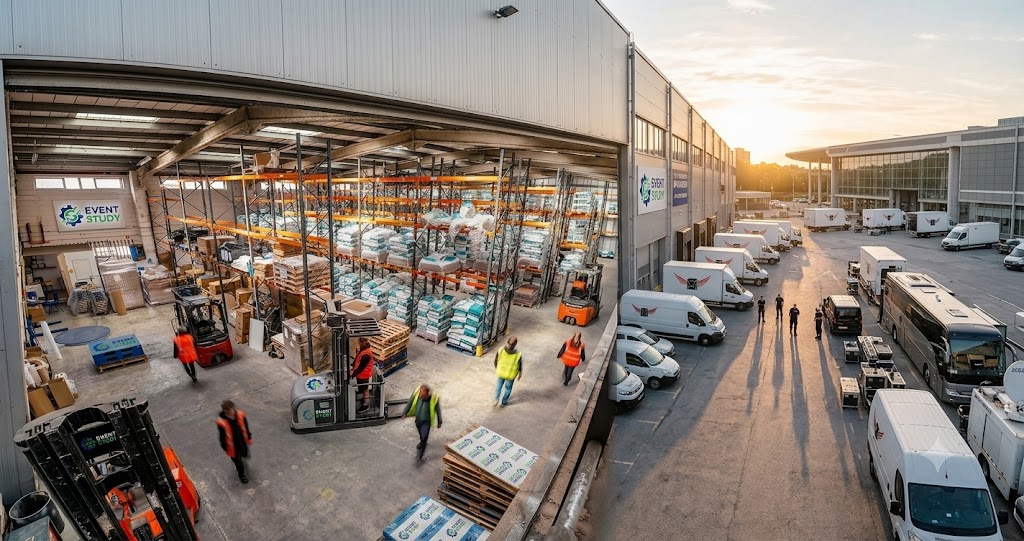
Step-by-Step Process to Organise Event Logistics
Organising event logistics requires a structured approach to ensure that every operational element is planned, coordinated, and delivered successfully. A clear process helps organisers manage resources, suppliers, schedules, and risks while creating a smooth event experience. Following a step-by-step event planning process allows teams to improve event coordination, reduce challenges, and achieve successful event execution.
Step 1: Define Event Requirements
The first step in event logistics planning is understanding the complete requirements of the event. Before arranging suppliers, creating schedules, or managing operations, organisers must clearly identify the purpose, audience, resources, and expectations of the event.
Defining requirements creates a strong foundation for operational planning and helps teams develop an effective event coordination strategy.
Key areas to identify include:
Event Type
Understanding the type of event helps determine the operational needs, resources, and level of planning required.
Consider:
Corporate events
Conferences
Weddings
Festivals
Sports events
Private gatherings
Different event types require different approaches to venue management, supplier management, staffing, and technical logistics.
Audience Size
Estimating audience size is essential for planning space, resources, and guest services. The expected number of attendees influences decisions related to venue capacity, seating, transportation, staffing, and crowd management.
Audience planning includes:
Expected attendance numbers
Guest demographics
Accessibility needs
Registration requirements
Visitor flow
Accurate audience planning helps improve the attendee experience and supports smoother event operations.
Venue Requirements
Venue requirements define the physical and technical needs necessary for successful event execution. The venue must support the event format, guest numbers, suppliers, and production requirements.
Consider:
Venue capacity
Layout requirements
Accessibility
Technical facilities
Loading areas
Emergency arrangements
Proper venue planning supports effective venue management and reduces operational challenges.
Budget
Budget planning helps organisers understand available resources and control costs throughout the event planning process. A clear budget allows teams to prioritise essential services and avoid unexpected expenses.
Budget considerations include:
Supplier costs
Equipment requirements
Staffing expenses
Transportation needs
Production costs
Contingency funds
Effective budget control supports better resource management and supplier coordination.
Timeline
Creating an event timeline ensures that every task is completed within the required timeframe. A detailed schedule helps teams coordinate suppliers, staff, equipment, and operational activities.
Timeline planning includes:
Planning deadlines
Supplier delivery dates
Event setup schedules
Rehearsal times
Event breakdown plans
A clear event timeline improves event workflow and supports smooth event execution.
Objectives
Defining event objectives helps organisers understand what the event needs to achieve. Clear goals guide decision-making and ensure that logistics support the overall purpose of the event.
Objectives may include:
Increasing attendance
Improving guest experience
Supporting brand goals
Generating revenue
Creating successful engagement
By clearly defining objectives at the beginning, organisers can build an effective logistics strategy that supports successful event management and a seamless attendee experience.
Step 2: Create a Detailed Logistics Plan
After defining the event requirements, the next step is creating a detailed logistics plan that outlines how every operational element will be managed. A strong logistics plan provides a clear structure for event operations and ensures that teams, suppliers, equipment, and resources are properly coordinated.
A detailed plan supports the event planning process by reducing confusion, improving communication, and creating a clear roadmap for successful event execution.
Key elements of a logistics plan include:
Venue Layout
The venue layout defines how different areas will function during the event. A well-designed layout improves guest movement, supports crowd management, and ensures efficient use of available space.
Include:
Seating arrangements
Registration areas
Activity spaces
Vendor locations
Stage and production areas
Emergency routes
Proper venue planning improves venue management and creates a smoother attendee experience.
Supplier List
A complete supplier list helps organisers manage all external partners involved in delivering the event. It supports supplier management and ensures that every vendor understands their role.
Include suppliers such as:
Caterers
AV providers
Decorators
Security teams
Transportation providers
Entertainment vendors
Maintaining accurate supplier information improves vendor coordination and reduces operational issues.
Staffing Plan
A staffing plan ensures that enough team members are available to manage different areas of the event. Clear role assignments improve communication and support effective on-site event management.
Include:
Event managers
Operations coordinators
Registration staff
Volunteers
Security teams
Technical crew
Vendor coordinators
Proper event staffing helps maintain smooth event workflow and better guest management.
Equipment Requirements
Identifying equipment needs early helps prevent technical problems and delays during event setup. Equipment planning is an important part of technical logistics and event production.
Consider:
Sound systems
Lighting
Screens
Staging
Internet connectivity
Power supply
Backup equipment
Detailed equipment planning supports reliable AV coordination and successful event execution.
Transportation Plan
A transportation plan manages how guests, suppliers, staff, and equipment will move before, during, and after the event.
Include:
Parking arrangements
Shuttle services
Delivery routes
VIP transportation
Guest movement plans
Effective transportation planning improves event coordination and reduces delays that can affect attendee satisfaction.
Emergency Procedures
Emergency procedures are essential for reducing risks and ensuring guest safety. A clear plan allows teams to respond quickly to unexpected situations.
Include:
Emergency contacts
Evacuation procedures
Safety responsibilities
Medical support
Backup solutions
Strong contingency planning and risk management help protect the event and maintain smooth operations.
Step 3: Build an Event Timeline
Creating an event timeline helps organisers track tasks, deadlines, and responsibilities throughout the entire event planning process. A detailed schedule ensures that suppliers, staff, and production teams complete their work on time.
An effective event timeline improves event workflow, strengthens event coordination, and helps teams prepare for successful event execution.
| Timeframe | Logistics Tasks |
|---|---|
| 6+ months before | Venue selection, supplier agreements, permits, initial planning |
| 3–6 months before | Equipment planning, vendor coordination, marketing preparation |
| 1–3 months before | Event staffing, schedules, technical testing, operational planning |
| Final week | Confirmations, rehearsals, final supplier checks |
| Event day | Event execution, monitoring, guest management, real-time coordination |
| After event | Event breakdown, evaluation, feedback collection |
A well-managed event timeline ensures that every stage, from initial planning to post-event review, is completed efficiently. It helps organisers coordinate resources, reduce risks, and deliver a seamless attendee experience.
Step 4: Assign Roles and Responsibilities
Clear role assignment is an essential part of event logistics planning because successful event execution depends on every team member understanding their tasks and responsibilities. When responsibilities are properly defined, teams can work efficiently, respond quickly to challenges, and maintain smooth event operations.
A structured responsibility system improves event coordination, strengthens communication, and ensures that every part of the event planning process is properly managed.
Key methods for assigning roles and responsibilities include:
Responsibility Charts
Responsibility charts help organisers define who is responsible for each operational task. They create clarity by showing team members their duties, reporting structure, and decision-making responsibilities.
Responsibility charts may include:
Assigned tasks
Team leaders
Department responsibilities
Deadlines
Approval processes
These charts improve event workflow and prevent confusion during event execution.
Team Briefings
Team briefings ensure that staff members understand the event objectives, schedules, procedures, and expectations before the event begins.
A successful briefing should cover:
Event timeline
Staff responsibilities
Venue information
Emergency procedures
Guest management requirements
Communication methods
Effective briefings improve event staffing coordination and help teams deliver better on-site event management.
Contact Lists
A complete contact list allows organisers, suppliers, and staff members to communicate quickly when information or support is needed. It is an important tool for managing event coordination.
Contact lists should include:
Event managers
Operations teams
Vendors
Technical crews
Security teams
Emergency contacts
Accurate contact information supports faster decision-making and improves operational planning.
Communication Plans
Communication plans define how information will be shared before and during the event. Strong communication protocols reduce mistakes and help teams respond effectively to changes.
Communication plans may include:
Team communication channels
Regular update schedules
Emergency communication procedures
On-site reporting systems
Escalation processes
A clear communication strategy improves event management and supports successful event execution.
Step 5: Conduct Site Inspections
Site inspections are an important part of event logistics planning because they allow organisers to understand the venue, identify potential challenges, and confirm that operational requirements can be achieved.
Conducting detailed inspections helps teams improve venue management, reduce risks, and prepare for smooth event setup. It also allows suppliers, technical teams, and staff members to coordinate effectively before the event day.
Key areas of site inspections include:
Venue Walkthroughs
Venue walkthroughs help organisers review the physical space and understand how the event will operate within the location.
During a walkthrough, check:
Entry and exit points
Seating arrangements
Activity areas
Registration locations
Supplier access points
Emergency routes
A detailed walkthrough improves venue planning and supports better attendee experience management.
Equipment Testing
Equipment testing ensures that all technical systems are ready before the event begins. It is an important part of technical logistics and event production.
Testing should include:
Sound systems
Lighting equipment
Screens
Internet connectivity
Power supply
Backup systems
Proper testing reduces equipment failures and supports reliable AV coordination.
Safety Checks
Safety checks help organisers identify potential risks and confirm that the venue meets safety requirements. They are essential for effective risk management and contingency planning.
Safety inspections include:
Emergency exits
Fire safety equipment
Crowd movement routes
Security arrangements
Accessibility features
Strong safety planning protects guests and supports smooth event operations.
Traffic Planning
Traffic planning helps manage the movement of vehicles, suppliers, staff, and guests around the venue. It reduces congestion and improves transportation planning.
Consider:
Parking arrangements
Delivery routes
Drop-off areas
Shuttle movement
Vehicle access points
Effective traffic planning improves crowd management and creates a smoother arrival experience.
Setup Planning
Setup planning ensures that all teams understand when and where equipment, décor, staging, and other resources should be installed.
Setup planning should include:
Event setup schedules
Supplier arrival times
Equipment placement
Staff responsibilities
Setup and breakdown procedures
Proper preparation improves event workflow and ensures that the venue is ready for successful event execution.
By assigning clear responsibilities and conducting detailed site inspections, organisers can strengthen event coordination, reduce operational risks, and create a more efficient logistics strategy.
Step 6: Prepare Contingency Plans
Contingency planning is a vital part of event logistics planning because unexpected issues can affect event operations, attendee experience, and overall event execution. Even well-organised events may face challenges, so preparing backup solutions allows teams to respond quickly and maintain smooth operations.
A strong contingency plan supports risk management by identifying possible problems in advance and creating clear response procedures. It helps organisers protect guests, suppliers, staff, and event resources while ensuring the event can continue successfully.
Key areas for contingency planning include:
Weather Changes
Weather conditions can significantly impact outdoor events and may affect guest comfort, transportation, equipment, and venue operations. Organisers should prepare alternative solutions to reduce disruption.
Weather contingency plans may include:
Backup indoor locations
Weather monitoring systems
Temporary shelters
Alternative schedules
Protective equipment plans
Proper weather planning improves operational planning and helps maintain a positive attendee experience.
Technical Failures
Technical issues can affect presentations, entertainment, communication systems, and event production. Preparing for possible equipment problems ensures that technical disruptions do not stop the event.
Technical backup plans include:
Spare equipment
Backup power systems
Additional cables and devices
Technical support teams
Alternative presentation methods
Strong technical logistics and AV coordination reduce risks and support smooth event execution.
Vendor Cancellations
Vendor cancellations can create major challenges if replacement solutions are not prepared. Supplier management requires backup options to ensure essential services continue without delays.
Vendor contingency planning includes:
Backup supplier lists
Alternative service providers
Flexible contracts
Emergency contact details
Early vendor confirmations
Effective vendor coordination helps maintain event workflow and reduces operational disruptions.
Medical Situations
Medical emergencies require clear procedures to protect attendees, staff, and participants. Organisers must ensure that response plans are prepared before the event begins.
Medical contingency planning includes:
First aid stations
Emergency contacts
Medical support teams
Clear access routes
Staff awareness training
Proper safety planning supports guest management and strengthens overall event management.
Schedule Delays
Schedule delays can affect speakers, performers, vendors, and attendee movement. A flexible event timeline helps teams adjust quickly while keeping the event on track.
Delay management strategies include:
Buffer time between activities
Backup schedules
Clear communication procedures
Priority task planning
Real-time coordination
Effective schedule management improves event coordination and reduces disruption.
Crowd Issues
Crowd-related challenges can affect safety, comfort, and overall visitor experience. Proper crowd management strategies help organisers control movement and respond to high-attendance situations.
Crowd contingency planning includes:
Additional security support
Entry and exit management
Queue solutions
Capacity monitoring
Emergency response procedures
Strong crowd planning improves on-site event management and ensures safer event operations.
By preparing detailed contingency plans, organisers can reduce uncertainty, improve decision-making, and maintain successful event execution even when unexpected challenges occur.
Event Day Logistics Management
Event day logistics management is the final stage where planning turns into real-time event execution. Successful event operations require strong coordination between staff, suppliers, technical teams, and venue partners to ensure that every detail is delivered according to plan.
Effective on-site event management helps organisers monitor activities, solve problems quickly, manage guest movement, and maintain a smooth attendee experience. A well-prepared event day checklist ensures that all operational elements are ready before guests arrive.
Before Guests Arrive
Before attendees enter the venue, organisers must confirm that every operational detail has been completed. This preparation stage helps prevent delays, improves event workflow, and ensures that teams are ready for successful event execution.
Use the following checklist:
| Checklist Item | Details |
|---|---|
| Venue setup complete | Confirm seating, décor, activity areas, registration points, and operational spaces are ready. |
| Equipment tested | Check sound systems, lighting, screens, internet connectivity, power supply, and technical equipment. |
| Staff briefed | Ensure all team members understand responsibilities, schedules, communication procedures, and emergency plans. |
| Vendors checked in | Confirm supplier arrivals, delivery schedules, setup progress, and service requirements. |
| Signage installed | Verify directional signs, registration signs, safety notices, and guest information displays. |
Completing these checks helps create efficient event coordination and reduces last-minute issues. Strong preparation before guest arrival supports better venue management, smoother guest management, and a more professional attendee experience.
During the Event
During the event, effective event logistics management focuses on monitoring operations, coordinating teams, and responding quickly to any challenges. Real-time coordination is essential to ensure that schedules, suppliers, guests, and technical systems continue working smoothly.
Strong on-site event management helps organisers maintain event workflow, improve attendee experience, and ensure successful event execution.
Key areas to monitor include:
| Area to Monitor | Details |
|---|---|
| Schedule | Track the event timeline, session timings, performances, and transitions to prevent delays. |
| Guest flow | Monitor attendee movement, entry points, queues, seating areas, and crowd management requirements. |
| Vendor performance | Check supplier activities, service delivery, setup completion, and ongoing support. |
| Technical operations | Monitor AV systems, lighting, screens, internet connectivity, and technical logistics. |
| Safety conditions | Review security procedures, emergency access, crowd conditions, and overall venue safety. |
Continuous monitoring allows teams to identify issues early and make quick adjustments. Effective communication between event staff, vendors, and production teams strengthens event coordination and improves the overall visitor experience.
After the Event
Post-event logistics are important for completing the event management process and evaluating overall success. Proper event breakdown, supplier coordination, and resource management ensure that the venue is restored efficiently and all responsibilities are completed.
A structured post-event process supports better operational planning for future events and helps organisers review performance.
Key post-event tasks include:
| Task | Details |
|---|---|
| Venue breakdown | Remove décor, equipment, staging, and temporary structures according to venue requirements. |
| Equipment returns | Coordinate the return of rented equipment, technical resources, and supplier materials. |
| Supplier payments | Complete final invoices, confirm contracts, and process outstanding payments. |
| Waste removal | Ensure the venue is cleaned, waste is properly managed, and spaces are restored. |
| Feedback collection | Gather feedback from attendees, staff, and suppliers to evaluate event success. |
Effective event breakdown and post-event management help maintain strong supplier relationships, improve event coordination strategy, and provide valuable insights for future event planning processes.
Event Logistics Checklist
An effective event logistics checklist helps organisers track important tasks throughout the event planning process. It ensures that operational details are completed on time, responsibilities are clear, and potential risks are identified before they affect event execution.
Planning Stage
The planning stage is the foundation of successful event logistics planning. During this phase, organisers define objectives, organise resources, coordinate suppliers, and prepare the systems needed for smooth event operations.
✓ Define Objectives
Clearly identify the purpose of the event, expected outcomes, audience needs, and success goals. Well-defined objectives guide decision-making and support effective event coordination.
✓ Create Budget
Prepare a detailed budget covering suppliers, staffing, equipment, venue costs, transportation, and contingency funds. Proper budget control helps prevent unexpected expenses.
✓ Select Venue
Choose a venue that matches the event requirements, audience size, accessibility needs, technical facilities, and operational expectations. Good venue management supports better event execution.
✓ Book Vendors
Confirm suppliers such as caterers, AV teams, decorators, security providers, and entertainment vendors. Strong supplier management ensures reliable services and smooth vendor coordination.
✓ Prepare Timeline
Develop a detailed event timeline covering planning deadlines, supplier schedules, event setup, rehearsals, event day activities, and event breakdown.
✓ Identify Risks
Review potential challenges and create contingency plans for weather issues, technical failures, vendor problems, safety concerns, and schedule delays. Effective risk management helps protect the event and improve operational planning.
Preparation Stage
The preparation stage ensures that all operational elements are ready before the event begins. Careful coordination during this phase helps reduce last-minute challenges and supports smooth event execution.
✓ Confirm Suppliers
Verify supplier agreements, delivery schedules, setup requirements, and service expectations. Strong vendor coordination ensures that all partners are prepared for successful event operations.
✓ Test Equipment
Check sound systems, lighting, screens, internet connectivity, power supply, and other technical requirements. Proper technical testing reduces equipment failures and supports reliable event production.
✓ Train Staff
Provide staff briefings covering responsibilities, schedules, communication procedures, guest management, and emergency processes. Well-trained teams improve event coordination and on-site event management.
✓ Prepare Signage
Install and review directional signs, registration information, safety notices, and venue guides. Clear signage improves guest movement and creates a better attendee experience.
✓ Finalize Guest Communication
Confirm event details with attendees, including schedules, venue information, access instructions, and important updates. Effective communication improves visitor experience and reduces confusion.
Event Day
The event day requires active monitoring and real-time coordination to ensure that all planned logistics are delivered successfully. Strong event management helps teams respond quickly and maintain smooth operations.
✓ Monitor Operations
Track venue activities, supplier performance, technical systems, guest flow, and overall event workflow throughout the event.
✓ Support Attendees
Assist guests with directions, information, accessibility needs, and service requests. Effective guest management improves attendee satisfaction.
✓ Manage Schedule
Monitor the event timeline, speaker sessions, performances, transitions, and activities to keep the programme running smoothly.
✓ Resolve Issues Quickly
Address unexpected challenges through clear communication, problem-solving, and contingency planning. Fast responses help maintain successful event execution.
Post-Event
Post-event activities complete the event management process by ensuring proper breakdown, evaluation, and improvement planning. Reviewing performance helps organisers create better strategies for future events.
✓ Complete Teardown
Coordinate event breakdown, equipment removal, venue restoration, and supplier returns according to agreed schedules.
✓ Review Performance
Evaluate event operations, team coordination, supplier performance, and overall execution to identify strengths and challenges.
✓ Analyze Feedback
Collect feedback from attendees, staff, vendors, and partners to understand the attendee experience and measure event success.
✓ Document Improvements
Record lessons learned, operational updates, and recommended changes to improve future event logistics planning and coordination strategies.
Common Event Logistics Challenges and Solutions
Event logistics planning involves managing many moving parts, including suppliers, equipment, staffing, schedules, and guest movement. Even with detailed preparation, organisers may face unexpected challenges that can affect event operations and event execution. Identifying common problems in advance and preparing practical solutions helps improve risk management and ensures smoother event coordination.
| Challenge | Solution |
|---|---|
| Vendor delays | Create backup suppliers, set clear deadlines, confirm delivery schedules, and maintain regular vendor communication to prevent disruptions. |
| Technical failures | Test equipment before the event, prepare backup systems, and ensure technical teams are available for quick solutions. |
| Poor crowd flow | Design clear movement paths, manage entry and exit points, and use effective crowd management strategies. |
| Budget increases | Track expenses continuously, review supplier costs, and maintain proper budget control throughout the event planning process. |
| Staff confusion | Provide clear role assignments, conduct staff briefings, and establish communication protocols before the event. |
| Weather problems | Create contingency plans, prepare backup locations, and develop alternative solutions for weather-related challenges. |
By preparing for these common challenges, organisers can strengthen event coordination, improve operational planning, and reduce risks during event execution. A proactive approach to logistics helps create a reliable workflow and a better attendee experience.
Technology That Improves Event Logistics
Technology has become an essential part of modern event logistics planning because it helps organisers manage complex operations, improve communication, and create more efficient workflows. From registration systems to scheduling tools, event technology supports better event coordination, faster decision-making, and smoother event execution.
By using digital solutions, organisers can improve event operations, reduce manual tasks, and enhance the attendee experience through better planning, monitoring, and communication.
Event Management Platforms
Event management platforms are digital tools designed to simplify the event planning process by bringing different operational tasks into one organised system. These platforms help teams manage attendees, schedules, suppliers, and communication more efficiently.
They support event coordination strategy by improving visibility across different departments and helping organisers monitor important logistics requirements.
Key uses of event management platforms include:
Registration
Event management platforms help streamline attendee registration by making the check-in process faster and more organised.
Registration features may include:
Online registration forms
Digital ticketing
QR code check-ins
Attendee databases
Badge management
Efficient registration systems improve guest management, reduce waiting times, and create a smoother visitor experience.
Scheduling
Scheduling tools help organisers create and manage detailed event timelines. They allow teams to coordinate speakers, sessions, suppliers, staff, and activities more effectively.
Scheduling features include:
Session planning
Speaker schedules
Staff assignments
Supplier deadlines
Real-time updates
Better scheduling improves event workflow and helps ensure successful event execution.
Attendee Communication
Communication tools allow organisers to share important updates with guests before, during, and after the event. Clear communication improves engagement and reduces confusion.
Communication features may include:
Event notifications
Schedule updates
Venue information
Digital announcements
Feedback requests
Effective attendee communication supports better guest management and improves the overall attendee experience.
Event management platforms help modern organisers improve operational planning, strengthen event coordination, and deliver more efficient and professional events.
Project Management Tools
Project management tools help organisers manage the many tasks involved in event logistics planning by keeping teams organised, tracking progress, and ensuring deadlines are completed on time. These tools improve event workflow by providing better visibility across departments and helping teams coordinate responsibilities more effectively.
They support operational planning by allowing organisers to monitor tasks, communicate updates, and manage resources throughout the event planning process.
Key uses of project management tools include:
Task Tracking
Task tracking allows teams to monitor assigned responsibilities and ensure that important activities are completed according to schedule.
Features may include:
Task assignments
Progress tracking
Team responsibilities
Priority management
Completion updates
Effective task tracking improves event coordination and reduces the risk of missed requirements.
Deadlines
Managing deadlines is essential for successful event execution because suppliers, staff, and production teams must complete tasks within specific timeframes.
Deadline management helps with:
Supplier delivery dates
Event setup schedules
Equipment preparation
Staff planning
Final confirmations
Clear deadlines support better supplier management and ensure smoother event operations.
Team Collaboration
Collaboration tools allow different teams to work together while sharing updates, documents, and important information.
Collaboration features include:
Shared task boards
Team communication
File sharing
Progress reports
Department coordination
Strong team collaboration improves event coordination strategy and supports efficient event management.
Digital Floor Plans
Digital floor plans help organisers visualise and manage venue spaces before the event begins. They are valuable tools for venue management because they allow teams to plan layouts, guest movement, and operational requirements more accurately.
Using digital floor plans improves event setup, reduces layout issues, and supports better crowd management.
Key uses of digital floor plans include:
Venue Layouts
Digital layouts help organisers design the complete event space and determine where different activities and services will be positioned.
Planning may include:
Stage locations
Registration areas
Vendor spaces
Seating zones
Activity areas
Accurate venue layouts support smoother event operations and better attendee experience.
Seating Arrangements
Digital planning tools allow organisers to create seating plans based on audience size, accessibility requirements, and event format.
Seating planning includes:
Guest seating areas
VIP sections
Table arrangements
Accessibility spaces
Viewing areas
Effective seating arrangements improve guest management and overall visitor experience.
Crowd Planning
Digital floor plans help organisers understand how attendees will move throughout the venue. This supports crowd management and helps reduce congestion.
Crowd planning includes:
Entry and exit routes
Queue areas
Walking paths
Emergency routes
High-traffic zones
Proper crowd planning improves safety and supports smooth on-site event management.
Real-Time Communication Tools
Real-time communication tools are essential for managing fast-moving event operations. They allow organisers, staff, suppliers, and technical teams to share updates instantly and respond quickly to challenges.
Strong communication systems improve event coordination, reduce delays, and support successful event execution.
Key uses of real-time communication tools include:
Team Updates
Instant communication allows teams to stay informed about schedules, changes, and operational requirements throughout the event.
Team updates may include:
Schedule changes
Task updates
Staff instructions
Operational notices
Progress reports
Better communication improves event workflow and keeps teams aligned.
Emergency Coordination
During unexpected situations, fast communication is essential for managing risks and protecting attendees.
Emergency communication supports:
Safety alerts
Response coordination
Security updates
Medical assistance
Evacuation procedures
Effective communication strengthens risk management and contingency planning.
Vendor Communication
Real-time communication helps organisers maintain strong relationships with suppliers and resolve issues quickly during event operations.
Vendor communication includes:
Delivery updates
Setup confirmations
Service changes
Technical requirements
Problem resolution
Strong vendor coordination ensures suppliers remain aligned with event goals and supports smooth event production.
By using project management tools, digital floor plans, and real-time communication systems, organisers can improve event logistics planning, strengthen operational control, and deliver a more efficient attendee experience.
Best Practices for Flawless Event Execution
Flawless event execution requires more than a creative concept; it depends on strong event logistics planning, clear communication, detailed preparation, and effective coordination between all teams involved. Following proven best practices helps organisers reduce risks, improve event operations, and deliver a seamless attendee experience.
Start Planning Early
Early planning gives organisers enough time to manage suppliers, prepare resources, identify risks, and create a detailed event workflow. Starting early reduces pressure, prevents last-minute decisions, and allows teams to handle challenges more effectively.
Document Everything
Proper documentation ensures that important information is organised and accessible to all relevant teams. Documents such as event checklists, supplier agreements, timelines, floor plans, and operational guides help improve event coordination and reduce misunderstandings.
Important documents include:
Event timelines
Supplier contracts
Staff responsibilities
Venue information
Emergency procedures
Communicate Clearly
Clear communication is essential for successful event execution. Teams, suppliers, and partners should have access to accurate updates and understand their responsibilities throughout the event planning process.
Effective communication includes:
Regular team updates
Clear contact lists
Communication protocols
Staff briefings
Real-time coordination systems
Strong communication improves event management and helps teams respond quickly to changes.
Build Supplier Relationships
Strong relationships with suppliers support better vendor coordination and reliable event delivery. Working closely with vendors helps organisers improve service quality, solve issues faster, and maintain smooth event operations.
Supplier relationship management includes:
Clear expectations
Regular communication
Reliable contracts
Performance reviews
Long-term partnerships
Create Backup Plans
Every event should include contingency planning to prepare for unexpected challenges. Backup plans help organisers respond to weather changes, technical failures, vendor issues, and schedule disruptions.
Risk management strategies may include:
Alternative suppliers
Backup equipment
Emergency procedures
Schedule flexibility
Alternative venue options
Test Before Launch
Testing is essential for identifying problems before the event begins. Technical systems, equipment, schedules, and operational processes should be reviewed before guests arrive.
Testing should include:
AV systems
Lighting
Internet connectivity
Registration systems
Equipment setup
Staff procedures
Proper testing improves technical logistics and supports reliable event execution.
Prioritize Attendee Experience
The attendee experience should remain a key focus throughout the event planning process. Every operational decision should consider guest comfort, accessibility, communication, and overall satisfaction.
Prioritising attendees includes:
Smooth registration
Easy navigation
Comfortable facilities
Efficient guest services
Engaging experiences
A guest-focused approach improves visitor experience and strengthens event success.
Conduct Team Rehearsals
Team rehearsals help staff understand their roles, timing, and responsibilities before the event begins. Rehearsals improve confidence, reduce confusion, and prepare teams for real-time challenges.
Rehearsal activities may include:
Schedule reviews
Emergency practice
Technical checks
Staff coordination
Venue walkthroughs
Strong preparation improves on-site event management and event coordination.
Review Performance Afterward
Post-event reviews help organisers understand what worked well and what can be improved. Evaluating performance creates valuable insights for future events and strengthens the overall event planning process.
Review areas include:
Attendee feedback
Supplier performance
Budget results
Operational challenges
Team feedback
Conducting performance reviews supports continuous improvement and helps organisers deliver better event experiences in the future.
Common Event Logistics Mistakes to Avoid
Even experienced organisers can face challenges when managing complex event operations. Avoiding common mistakes in event logistics planning helps improve event coordination, reduce risks, and create smoother event execution. By identifying potential problems early, organisers can build stronger operational plans and deliver a better attendee experience.
Poor Timeline Planning
Poor timeline planning is one of the most common challenges in event logistics management. A well-structured event timeline is essential for coordinating suppliers, staff, equipment, and venue operations. Without proper scheduling, important tasks may be delayed and affect the overall event workflow.
Problem:
Tasks are completed too late.
When deadlines are unclear or timelines are unrealistic, tasks such as supplier bookings, equipment preparation, staff training, and event setup may not be completed on time. This can create last-minute pressure, increase costs, and affect successful event execution.
Solution:
Create milestone deadlines.
Setting clear milestone deadlines helps organisers monitor progress and ensure that every task is completed at the right stage. Important milestones should be created for venue confirmation, supplier coordination, technical testing, staffing preparation, and final event checks.
Lack of Communication
Clear communication is a critical part of successful event coordination. Event teams, suppliers, and vendors must have access to the same information to avoid mistakes and maintain smooth event operations. Without a proper communication system, even well-planned events can experience confusion and delays.
Problem:
Teams and vendors receive different information.
When different teams receive conflicting updates, it can lead to incorrect setups, missed deadlines, service issues, and coordination problems during event execution. Poor communication can affect supplier management, event staffing, and the overall attendee experience.
Solution:
Use centralized communication.
A centralized communication system ensures that all teams and vendors receive consistent updates, schedules, documents, and instructions. Using shared platforms, updated contact lists, and regular team briefings improves event coordination strategy and helps maintain efficient event operations.
Ignoring Small Details
Small details can have a major impact on event execution and the overall attendee experience. While large elements such as venue, suppliers, and entertainment receive significant attention, minor operational details often determine how smoothly an event runs. Proper attention to detail is an important part of effective event logistics planning.
Examples:
Missing signage
Insufficient supplies
Poor accessibility
Ignoring these details can create confusion for guests, increase pressure on staff, and negatively affect event operations. Missing directions can make navigation difficult, limited supplies can interrupt services, and poor accessibility can prevent some attendees from fully enjoying the event.
Solution:
Use detailed checklists.
A detailed event checklist helps organisers track every requirement before, during, and after the event. Checklists should include signage, supplies, accessibility needs, technical requirements, guest services, and safety arrangements.
Using structured checklists improves event coordination, reduces mistakes, and helps teams deliver a smoother attendee experience.
No Emergency Plan
Emergency planning is an essential part of event logistics management because unexpected situations can affect guest safety, event operations, and overall event execution. Without proper preparation, teams may struggle to respond effectively during critical situations.
Problem:
Teams cannot respond quickly.
Without clear emergency procedures, staff members may not know their responsibilities, communication may become unclear, and response times may increase. This can create safety risks and disrupt the attendee experience.
Solution:
Prepare risk management procedures.
Organisers should create clear risk management and contingency planning procedures before the event begins. These plans should include emergency contacts, staff responsibilities, evacuation procedures, medical support, and response protocols.
Strong emergency planning improves event coordination, supports on-site event management, and helps teams handle unexpected challenges with confidence.
Frequently Asked Questions
What is event logistics?
Event logistics is the process of managing the operational details of an event, including suppliers, transportation, staffing, equipment, venue operations, and schedules.
Why is event logistics important?
Event logistics ensures smooth event execution by coordinating resources, reducing risks, controlling costs, and improving the attendee experience.
What are the main areas of event logistics?
The main areas include venue management, supplier management, event staffing, technical logistics, transportation planning, guest management, and risk management.
How early should event logistics planning begin?
Event logistics planning should begin as early as possible, ideally several months before the event, depending on the size and complexity of the event.
What does an event logistics manager do?
An event logistics manager oversees event operations, coordinates suppliers, manages timelines, supervises teams, and ensures successful event execution.
How do you create an event logistics plan?
Create a logistics plan by defining requirements, selecting a venue, managing suppliers, assigning responsibilities, preparing timelines, and developing contingency plans.
What tools help with event logistics?
Useful tools include event management software, project management platforms, digital floor plans, scheduling tools, and communication systems.
How do you manage event-day operations?
Event-day operations are managed through staff coordination, schedule monitoring, guest support, vendor communication, technical checks, and real-time problem-solving.
What are common event logistics problems?
Common problems include vendor delays, poor communication, technical failures, budget increases, staffing issues, crowd management challenges, and lack of contingency planning.
Conclusion
Flawless event execution depends on effective event logistics management. Behind every successful event is a strong operational foundation built through detailed planning, clear timelines, reliable supplier coordination, and efficient communication. From venue operations and staffing to technical logistics and guest management, every element must work together to create a smooth and organised event experience.
Strong logistics planning allows creative event ideas to become successful realities. By using proactive problem-solving, risk management, and effective event coordination strategies, organisers can overcome challenges and deliver memorable experiences for attendees. Well-managed event logistics not only improves execution but also strengthens the overall quality and success of the event.
Sign up to receive our latest updates
Get in touch
Call us directly?
020 8904 8326
Address
63 Cowcross St, Islington, London EC1M 6BP, United Kingdom
info@eventstudy.org.uk
Need some help?
Popular categories