
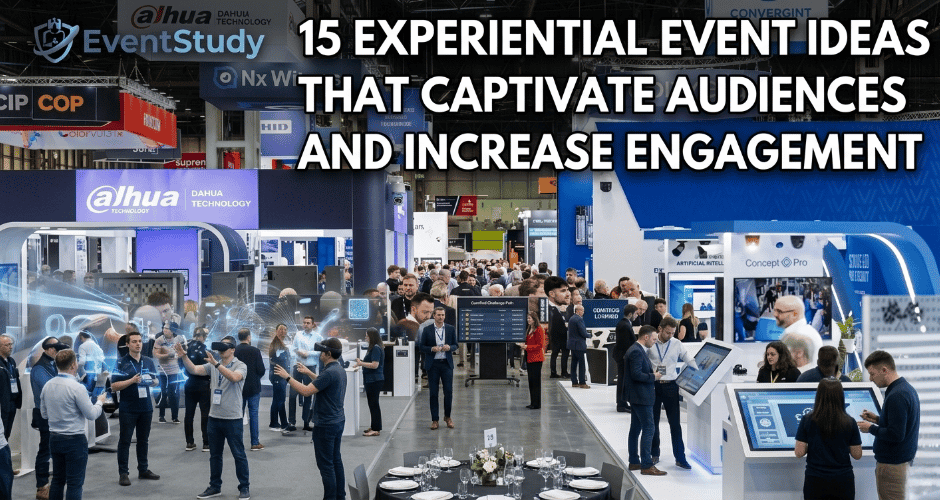
15 Experiential Event Ideas That Captivate Audiences and Increase Engagement
-
May 16, 2026
-
Updated: July 20, 2026
- Event Industry Insights
Experiential events are transforming the modern events industry. Guests no longer want passive experiences where they simply watch presentations or attend standard networking sessions. Modern audiences expect interaction, entertainment, personalization, and memorable moments they can actively participate in.
Successful experiential events focus on emotional connection and audience engagement. Businesses, brands, and event organisers use immersive experiences to create stronger relationships with attendees while increasing social sharing, brand awareness, and event satisfaction. This guide explores experiential event ideas that captivate audiences while covering planning tips, technology trends, and engagement strategies.
What Are Experiential Events?
Experiential events are designed to immerse guests in interactive and memorable experiences. Instead of simply observing, attendees actively participate through activities, storytelling, technology, entertainment, or hands-on brand interactions throughout the event.
What Makes Experiential Events Different?
Traditional events often focus on presentations or passive entertainment. Experiential events encourage guests to interact with the environment, other attendees, and the event concept itself.
Experiential events usually include:
- Interactive activities
- Immersive storytelling
- Multi-sensory experiences
- Gamification
- Personalized engagement
- Live participation opportunities
Why Are Experiential Events Popular?
Audience expectations have changed significantly in recent years. Guests now look for unique experiences they can remember, share online, and emotionally connect with long after the event ends.
Experiential events help organisations:
- Increase audience engagement
- Improve brand recognition
- Create social media content
- Encourage networking
- Build emotional connections
Why Do Experiential Events Captivate Audiences?
Experiential events create stronger emotional responses because guests become part of the experience. Active participation helps attendees feel more connected to the event, brand, or organisation hosting the experience.
Emotional Engagement Creates Lasting Memories
People are more likely to remember experiences that involve emotion, surprise, excitement, or participation. Interactive environments often leave stronger impressions than traditional presentations or static event formats.
Emotional engagement can improve:
- Guest satisfaction
- Brand loyalty
- Event recall
- Audience participation
- Social sharing
Multi-Sensory Experiences Increase Interaction
Experiential events often combine visuals, sound, lighting, textures, and technology to fully immerse guests within the environment. Multi-sensory experiences help attendees feel emotionally connected to the event atmosphere.
Popular sensory elements include:
- Immersive lighting
- Interactive sound design
- Themed scents
- Projection mapping
- Digital installations
15 Experiential Event Ideas That Captivate Audiences
Experiential events create memorable moments by encouraging attendees to actively participate rather than simply observe. From immersive storytelling and interactive technology to creative workshops and networking experiences, the following ideas can help increase audience engagement, strengthen brand connections, and deliver more impactful events.
1. Immersive Theme Experiences
Immersive themed events transport guests into a completely different environment. Strong storytelling and detailed production design help attendees feel like they are part of a movie, game, or fictional world.
Create Story-Driven Environments
Storytelling increases emotional investment during experiential events. Guests become more engaged when they feel connected to a larger narrative unfolding around them.
Popular immersive themes include:
- Futuristic worlds
- Fantasy adventures
- Historical settings
- Space exploration
- Mystery experiences
Use Actors and Live Performers
Live performers help bring immersive experiences to life. Actors can guide guests through storylines, interactive moments, and themed activities throughout the event.
Performers may include:
- Character actors
- Live musicians
- Dancers
- Interactive hosts
- Theatrical performers
Find creative group activities in London with Event Study, designed to improve teamwork, encourage problem-solving, and make corporate events more engaging.
2. Gamified Event Challenges
Gamification transforms ordinary events into exciting interactive experiences. Competitive activities encourage participation, teamwork, and audience engagement while making events more energetic and memorable.
Organise Escape Room Challenges
Escape-room-inspired activities work especially well for corporate events, conferences, and team-building experiences. Guests enjoy solving puzzles while working together under time pressure.
Escape room concepts may include:
- Puzzle-solving games
- Treasure hunts
- Team missions
- Time-based challenges
- Hidden clue experiences
Create Event Leaderboards
Leaderboards add excitement and competition during experiential events. Guests often become more motivated when rewards or rankings are visible throughout the experience.
Gamification elements may include:
- Digital scoreboards
- Achievement badges
- Team rankings
- Prize giveaways
- Interactive checkpoints
Learn how to run a roundtable discussion in 7 simple steps with Event Study, including planning topics, selecting participants, moderating conversations, and driving meaningful outcomes.
3. Interactive Dining Experiences
Dining experiences become far more memorable when entertainment and storytelling are added. Interactive food-based events help guests engage socially while enjoying immersive hospitality experiences.
Host Themed Dining Events
Themed dinners combine décor, entertainment, food, and storytelling into one cohesive experience. Guests enjoy feeling transported into another environment while dining.
Popular dining themes include:
- Murder mystery dinners
- Medieval banquets
- Hollywood glamour nights
- Masquerade dinners
- Fantasy-themed dining
Add Live Culinary Entertainment
Food preparation can also become part of the entertainment itself. Guests often enjoy watching chefs prepare meals in interactive and visually engaging ways.
Interactive catering ideas include:
- Live cooking stations
- Cocktail-making experiences
- Chef demonstrations
- Dessert decorating stations
- Wine tasting sessions
4. Virtual Reality and Augmented Reality Experiences
Technology-driven experiences are becoming increasingly popular in experiential event planning. Virtual reality and augmented reality allow guests to explore digital environments while remaining physically present at the event.
Use VR for Immersive Adventures
Virtual reality can transport attendees into completely different worlds. Guests may explore fantasy settings, simulations, or branded digital experiences using VR headsets.
VR event ideas include:
- Virtual travel experiences
- Product demonstrations
- Gaming tournaments
- Simulated adventures
- Interactive storytelling
Integrate Augmented Reality Features
Augmented reality adds digital layers to real-world event environments. Smartphone apps and AR technology can create interactive guest experiences across venues and exhibitions.
Popular AR features include:
- Interactive maps
- Digital scavenger hunts
- AR photo filters
- Product visualisations
- Gamified event apps
5. Experiential Brand Activations
Brands increasingly use experiential marketing to connect with audiences emotionally. Interactive activations encourage guests to engage directly with products and brand messaging.
Create Hands-On Product Experiences
People remember products more effectively when they can physically interact with them. Demonstrations and testing experiences often improve audience trust and engagement.
Effective activation ideas include:
- Product testing zones
- Interactive showcases
- Sampling stations
- Personalized demonstrations
- Live tutorials
Build Social Media Moments
Experiential events often succeed when guests naturally share content online. Visually impressive installations encourage attendees to post photos and videos on social platforms.
Popular social-friendly features include:
- Branded photo booths
- Interactive art walls
- Neon signage
- Immersive installations
- Shareable digital experiences
6. Scavenger Hunts and City-Wide Adventures
Outdoor experiential events allow guests to explore cities, venues, or attractions while participating in interactive activities and competitive challenges throughout the experience.
Organise Urban Exploration Games
City-wide scavenger hunts combine adventure, teamwork, and local exploration. Participants solve clues while discovering landmarks and hidden locations.
Urban event ideas include:
- Treasure hunts
- Historical discovery games
- Team races
- Interactive tours
- Mystery-solving challenges
Use Mobile Event Apps
Technology helps organisers manage larger outdoor experiences efficiently. Mobile apps can deliver clues, track progress, and support live scoring systems during the event.
Event apps may include:
- GPS navigation
- Team messaging
- Live score tracking
- Interactive maps
- Digital clue systems
7. Pop-Up Experiential Installations
Pop-up experiences create exclusivity and urgency. Temporary installations often attract large crowds because audiences know the experience is only available for a limited time.
Design Instagram-Worthy Spaces
Visual design plays a huge role in experiential marketing success. Guests naturally engage with spaces that feel unique, immersive, and highly photogenic.
Popular pop-up concepts include:
- Art installations
- Interactive museums
- Seasonal activations
- Fashion showcases
- Digital art experiences
Create Limited-Time Experiences
Scarcity increases excitement around experiential events. Limited-time access encourages faster ticket sales and stronger audience interest.
Short-term events may include:
- Weekend pop-ups
- One-night-only experiences
- Seasonal activations
- Brand collaborations
- Touring experiences
8. Personalized Event Experiences
Personalization helps guests feel more connected to the event. Tailored experiences improve satisfaction because attendees feel recognised rather than treated as part of a large crowd.
Use Data to Customize Experiences
Event technology can help organisers personalise guest interactions. Registration data and attendee preferences can improve recommendations and engagement opportunities.
Personalization ideas include:
- Custom agendas
- Personalized welcome messages
- Tailored networking suggestions
- Individual gift experiences
- Smart event apps
Offer VIP Interactive Experiences
Exclusive experiences increase perceived value during premium events. VIP attendees often expect upgraded hospitality and unique engagement opportunities.
VIP experiences may include:
- Private lounges
- Meet-and-greet sessions
- Exclusive performances
- Premium dining experiences
- Backstage access
9. Projection Mapping and Interactive Visual Displays
Projection mapping transforms ordinary walls, stages, and buildings into immersive visual experiences that capture audience attention. It is widely used to enhance storytelling, create memorable product reveals, and deliver engaging brand experiences.
Use Projection Mapping for Storytelling
Projection mapping helps create visually stunning experiences without building elaborate physical sets. It has been used effectively for:
Product launches
Automotive events
Charity galas
Conferences
Museum exhibitions
Create Interactive LED Displays
Interactive displays encourage audience participation while creating memorable photo opportunities.
Popular installations include:
Interactive walls
Motion-responsive floors
Digital art displays
LED tunnels
Live social media walls
10. Multi-Sensory Event Experiences
Multi-sensory experiences engage sight, sound, smell, touch, and taste to create stronger emotional connections with attendees. These events are often more memorable because they stimulate multiple senses simultaneously.
Incorporate Sensory Design
Sensory elements may include:
Ambient lighting
Signature fragrances
Surround sound
Interactive textures
Curated food experiences
Create Emotional Moments
Popular ideas include:
Scent reveals
Dynamic lighting shows
Interactive soundscapes
Fire and water effects
Immersive stage productions
11. Wellness and Mindfulness Experiences
Wellness-focused experiences provide attendees with opportunities to relax, recharge, and improve wellbeing. They are increasingly popular at corporate events, conferences, and leadership retreats.
Offer Mindfulness Activities
Wellness activities may include:
Guided meditation
Yoga sessions
Breathing workshops
Sound healing
Nature walks
Create Relaxation Zones
Relaxation areas often feature:
Comfortable seating
Quiet spaces
Hydration stations
Massage services
Calm lighting
12. Interactive Workshops and Creative Experiences
Hands-on workshops encourage active participation by allowing attendees to learn new skills while collaborating with others. Creative activities often generate higher engagement than traditional presentations.
Deliver Skill-Based Sessions
Popular workshop ideas include:
Pottery classes
Painting workshops
Photography sessions
Floral arranging
Craft experiences
Encourage Team Collaboration
Collaborative activities include:
Group murals
LEGO challenges
Innovation workshops
Design thinking sessions
Collaborative art projects
13. Live Entertainment Experiences
Professional entertainment adds excitement throughout an event while keeping audiences engaged between scheduled activities. Interactive performances often create memorable shared experiences.
Schedule Interactive Performances
Popular entertainment options include:
Magicians
Comedians
Live bands
Acrobats
Interactive hosts
Blend Entertainment with Technology
Technology-enhanced entertainment may include:
Drone light shows
Holographic performances
Interactive stage effects
LED costumes
Digital audience voting
14. Charity and Social Impact Experiences
Purpose-driven events combine entertainment with meaningful community impact. These experiences strengthen team engagement while supporting charitable or environmental initiatives.
Include Charity Activities
Popular charity experiences include:
Fundraising auctions
Charity walks
Volunteer projects
Donation drives
Community clean-up events
Measure Event Impact
Useful success metrics include:
Funds raised
Volunteer hours
Community projects completed
Beneficiary feedback
Environmental impact
15. Networking and Relationship-Building Experiences
Networking experiences help attendees build meaningful professional relationships through structured and interactive activities. Well-designed networking events create more valuable connections than traditional informal sessions.
Organise Structured Networking
Networking activities may include:
Speed networking
Roundtable discussions
Industry meetups
Mentor sessions
Icebreaker activities
Use Technology to Match Attendees
Technology can improve networking through:
AI matchmaking
Event networking apps
QR code profiles
Digital business cards
Appointment scheduling
Experiential Event Ideas Comparison
| Event Idea | Budget | Group Size | Indoor/Outdoor | Best For |
|---|---|---|---|---|
| Escape Room Challenge | ££ | 5–30 | Indoor | Team building and problem-solving |
| Interactive Dining Experience | £££ | 20–100 | Indoor | Networking and client entertainment |
| VR & AR Experience | ££££ | 10–100 | Indoor | Innovation and product launches |
| Scavenger Hunt | ££ | 10–200 | Outdoor | Collaboration and engagement |
| Pop-Up Installation | ££££ | 50–500+ | Indoor/Outdoor | Brand activations and public events |
| Personalized VIP Experience | ££££ | 10–100 | Indoor | Premium guests and exclusive events |
| Immersive Theme Experience | £££ | 20–300 | Indoor | Conferences, parties, and corporate events |
How Do You Plan a Successful Experiential Event?
Creative ideas alone are not enough. Successful experiential events require detailed planning, strong logistics, and clear audience understanding to ensure smooth execution and meaningful engagement.
Understand Your Audience
Audience research helps organisers choose experiences that match attendee interests, demographics, and expectations. Different audiences respond to different engagement styles.
Important audience factors include:
- Age groups
- Professional backgrounds
- Interests and hobbies
- Technology familiarity
- Event goals
Focus on Guest Journey Mapping
Guest journey planning ensures smooth experiences from arrival to departure. Every interaction should feel intentional and connected to the overall event concept.
Journey planning should include:
- Registration processes
- Arrival experiences
- Activity flow
- Networking opportunities
- Exit experiences
Measure Event Success
Experiential event performance should be measured after the event. Feedback and engagement metrics help organisers improve future experiences.
Common performance indicators include:
- Attendance numbers
- Social media engagement
- Audience feedback
- Sponsor satisfaction
- Lead generation results
Typical Budget
Help readers understand the expected investment by grouping experiential events into simple budget tiers.
| Budget Level | Typical Cost | Suitable Events |
|---|---|---|
| Low | Up to £30 per person | Scavenger hunts, networking games, quizzes |
| Medium | £30–£75 per person | Escape rooms, themed dining, cocktail workshops |
| Premium | £75–£150 per person | VR experiences, immersive theatre, branded activations |
| Luxury | £150+ per person | Multi-day experiences, bespoke productions, VIP events |
Planning Timeline
A clear planning timeline helps organisers stay on schedule and reduces the risk of last-minute issues.
| Timeline | Key Tasks |
|---|---|
| 12 Weeks Before | Define objectives, budget, and shortlist venues |
| 8 Weeks Before | Confirm suppliers, entertainment, and technology |
| 4 Weeks Before | Send final invitations, confirm logistics, and test equipment |
| 1 Week Before | Final supplier checks, staff briefing, and contingency planning |
| Event Day | Manage registration, monitor operations, and support attendees |
| Post-Event | Collect feedback, analyse results, and measure event success |
Technology Checklist
Experiential events often rely on technology to deliver seamless and interactive guest experiences. Use this checklist before the event.
- ✓ Reliable Wi-Fi throughout the venue
- ✓ QR code check-in system
- ✓ Backup laptops, tablets, and presentation devices
- ✓ Charging stations for attendees and staff
- ✓ Live streaming equipment (if applicable)
- ✓ Virtual reality equipment tested before guests arrive
- ✓ Audio and visual systems checked
- ✓ Backup power supply and internet connection
What Common Mistakes Should Organisers Avoid?
Experiential events can fail if organisers focus too much on visuals while ignoring logistics, comfort, or audience needs. Balanced planning remains essential for long-term event success.
Overcomplicating the Experience
Some experiential events become confusing because too many activities happen simultaneously. Guests should easily understand how to participate without feeling overwhelmed.
Overcomplicated events may cause:
- Audience frustration
- Long waiting times
- Reduced participation
- Guest confusion
Ignoring Technical Preparation
Technology-driven experiences require extensive testing before the event begins. Technical failures can negatively affect audience engagement and event flow.
Important preparation areas include:
- Wi-Fi connectivity
- Sound systems
- VR equipment testing
- Mobile app performance
- Lighting systems
Forgetting Comfort and Accessibility
Audience comfort is just as important as creativity. Guests need seating, clear directions, accessibility support, and manageable activity schedules throughout the event.
Comfort considerations include:
- Rest areas
- Accessible pathways
- Clear signage
- Climate control
- Crowd management
Experiential Event Trends for 2026
The experiential events industry continues to evolve as organisers adopt new technologies and attendee expectations change. Incorporating the latest trends helps create more engaging, efficient, and memorable experiences while ensuring events remain competitive and relevant. The following trends are expected to shape experiential events throughout 2026.
AI-Powered Personalisation
Artificial intelligence is transforming how attendees experience events by delivering personalised recommendations based on individual preferences and behaviour. AI can suggest networking opportunities, recommend sessions, create customised agendas, and provide real-time assistance through intelligent chatbots, making every guest experience more relevant and engaging.
Hybrid Event Experiences
Hybrid events continue to grow by combining in-person experiences with virtual participation. Live streaming, interactive online sessions, and digital networking tools allow organisers to reach wider audiences while giving attendees the flexibility to participate from anywhere without compromising engagement.
Sustainable Event Planning
Sustainability remains a major priority for both organisers and attendees. Many experiential events now focus on reducing waste, using reusable materials, selecting environmentally responsible venues, offering digital tickets, and working with local suppliers to minimise their environmental impact while supporting corporate sustainability goals.
Wearable Event Technology
Smart badges, wristbands, and wearable devices are making event experiences more seamless. These technologies simplify registration, enable cashless payments, track session attendance, facilitate networking, and provide organisers with valuable insights into attendee behaviour throughout the event.
Cashless Event Payments
Cashless payment systems improve convenience for both attendees and vendors. Mobile wallets, contactless cards, and RFID-enabled wristbands reduce queues, speed up transactions, and create a smoother guest experience while simplifying financial management for event organisers.
Interactive LED Installations
Large-scale LED displays and digital installations are becoming central features of experiential events. Interactive walls, immersive stage designs, and responsive visual displays encourage audience participation, create memorable photo opportunities, and enhance storytelling throughout the event.
RFID-Powered Attendee Engagement
RFID technology allows organisers to deliver personalised experiences while collecting valuable event data. RFID badges can automate check-in, unlock exclusive content, facilitate networking, monitor attendee movement, and reward participation through gamified challenges and digital achievements.
Gamified Networking
Traditional networking is evolving into interactive experiences that encourage greater participation. Event apps, digital leaderboards, networking challenges, QR code missions, and achievement-based rewards help attendees connect naturally while increasing engagement throughout the event.
By incorporating these emerging trends, event organisers can create more innovative, personalised, and engaging experiences that meet modern attendee expectations. Keeping content updated with current industry developments also strengthens topical authority and provides valuable freshness signals for search engines.
Frequently Asked Questions
Experiential event planning often raises questions about audience engagement, technology, budgeting, and event formats. Clear planning helps organisers create more immersive and memorable experiences.
What is an experiential event?
Experiential events are interactive experiences where attendees actively participate instead of simply observing.
Why are experiential events effective?
They create emotional engagement, improve audience interaction, and increase event memorability.
What industries use experiential events?
Corporate brands, entertainment companies, charities, universities, and marketing agencies commonly use experiential events.
What technology is used in experiential events?
Popular technologies include VR, AR, projection mapping, mobile apps, and interactive digital installations.
Are experiential events expensive?
Costs vary depending on venue size, technology, production quality, and audience scale.
What makes an experiential event successful?
Strong storytelling, audience interaction, smooth logistics, and memorable experiences are key success factors.
How can experiential events improve marketing?
They encourage social sharing, strengthen brand loyalty, and create deeper emotional connections with audiences.
Can small businesses host experiential events?
Yes. Small businesses can create effective experiences through creative themes, interactive activities, and personalized engagement.
Conclusion
Experiential events continue reshaping the modern events industry because audiences increasingly value interaction, immersion, and emotional connection over passive attendance. Creative experiences help brands and organisers build stronger relationships with guests while creating memorable moments people genuinely enjoy sharing.
Successful experiential events combine storytelling, technology, entertainment, and strategic planning to create meaningful audience engagement. Every detail, from lighting and décor to interactive activities and personalization, contributes to the overall experience.
Sign up to receive our latest updates
Get in touch
Call us directly?
020 8904 8326
Address
63 Cowcross St, Islington, London EC1M 6BP, United Kingdom
info@eventstudy.org.uk
Need some help?
Popular categories