
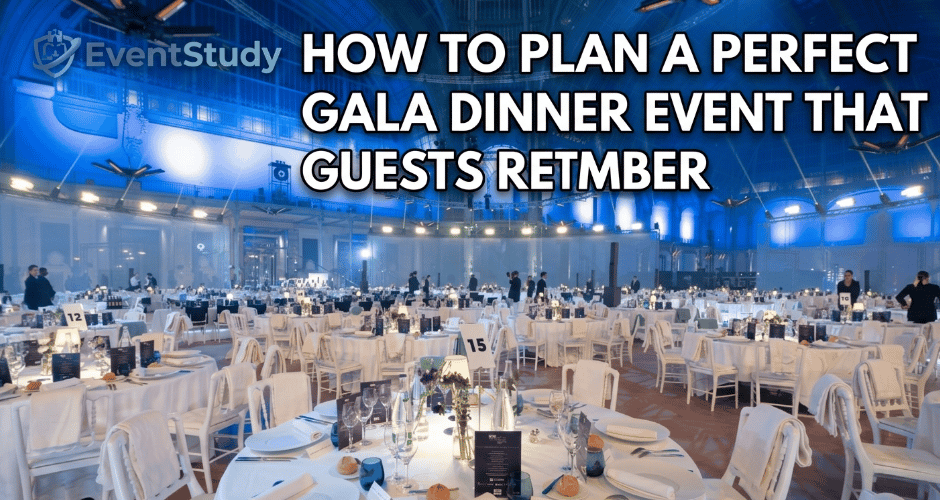
How to Plan a Perfect Gala Dinner Event That Guests Remember
-
May 16, 2026
-
Updated: July 20, 2026
- Event Industry Insights
Gala dinners are elegant events designed to celebrate achievements, raise funds, entertain guests, or strengthen business relationships. Successful gala dinners combine luxury, organisation, entertainment, and smooth event management to create a memorable guest experience from beginning to end.
Strong planning is essential because gala dinners often involve large budgets, formal schedules, catering coordination, entertainment bookings, and detailed venue styling. This guide explains how to plan the perfect gala dinner step by step while covering budgeting, venues, guest experience, entertainment, timelines, and event execution.
What Is a Gala Dinner and Why Is It Important?
Gala dinners are formal events that bring guests together for networking, celebration, fundraising, or recognition. Businesses, charities, universities, and organisations regularly host gala dinners to create prestige and strengthen relationships with attendees and sponsors.
What Defines a Gala Dinner?
Several features separate gala dinners from ordinary social events. Elegant décor, formal dining, entertainment, speeches, and premium guest experiences usually form the foundation of a successful gala evening.
A gala dinner often includes:
- Formal dress codes
- Multi-course dining
- Live entertainment
- Awards or fundraising activities
- Guest speakers
- Networking opportunities
- Luxury event styling
Common Types of Gala Dinners
Different organisations host gala dinners for different reasons. Event goals often shape the venue, theme, entertainment, and overall atmosphere of the evening.
Popular gala dinner types include:
- Charity fundraising galas
- Corporate gala dinners
- Award ceremonies
- University alumni galas
- Product launch dinners
- Holiday celebration galas
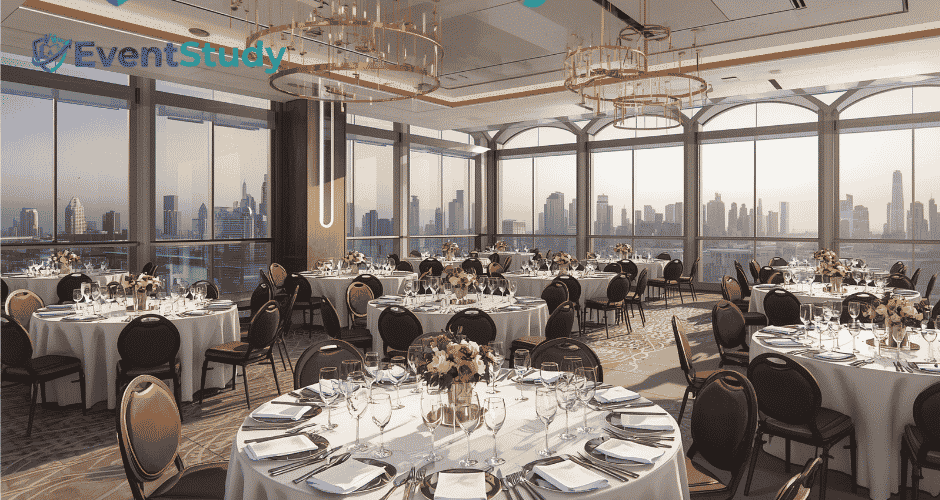
How Do You Start Planning a Gala Dinner?
Early planning helps event organisers avoid last-minute problems. Large gala dinners often require months of preparation because suppliers, venues, sponsors, and entertainment bookings must all work together smoothly.
Define the Purpose of the Event
Clear goals help shape every part of the gala dinner. Event organisers should identify the main objective before booking venues or planning entertainment.
Common event goals include:
- Raising funds for charity
- Celebrating company achievements
- Rewarding employees
- Building client relationships
- Hosting award presentations
- Promoting a new brand or product
Set a Realistic Budget
Budget planning is one of the most important stages of gala dinner management. Every major cost should be calculated early to avoid overspending later during the planning process.
Typical gala dinner expenses include:
- Venue hire
- Catering services
- Entertainment
- Audio-visual equipment
- Event décor
- Staffing
- Photography and videography
- Marketing materials
Create a Planning Timeline
Large gala dinners require structured timelines. Organisers should create schedules several months before the event to manage suppliers, guest invitations, and production deadlines efficiently.
A strong timeline helps with:
- Venue booking deadlines
- Vendor coordination
- Guest communication
- Seating arrangements
- Entertainment scheduling
- Event rehearsals
How Do You Choose the Perfect Gala Dinner Venue?
Venue selection plays a major role in the success of a gala dinner. Guests immediately form impressions based on the location, atmosphere, accessibility, and overall appearance of the venue.
Consider Venue Capacity
Guest comfort should remain a priority when selecting a gala dinner venue. Crowded spaces can negatively affect networking, dining experiences, and movement throughout the event.
Important venue considerations include:
- Seating capacity
- Dance floor space
- Stage positioning
- Accessibility
- Parking availability
- Catering facilities
Match the Venue to the Event Theme
The venue should support the tone and purpose of the gala dinner. Luxury hotels, ballrooms, historic buildings, and waterfront venues are popular choices for formal evening events.
Popular gala dinner venues include:
- Hotels
- Banquet halls
- Museums
- Conference centres
- Historic estates
- Rooftop venues
Book Early
Popular venues often receive bookings months in advance. Early booking increases venue availability and gives organisers more flexibility when selecting dates and negotiating prices.
Most gala dinners are booked:
- 6–12 months in advance
- Earlier during peak seasons
- Earlier for charity events and holiday functions

How Do You Create a Memorable Guest Experience?
Guest experience determines whether attendees remember the event positively. Every detail should support comfort, excitement, elegance, and smooth event flow from arrival to departure.
Focus on Event Styling and Décor
Décor creates the atmosphere of the gala dinner. Lighting, centrepieces, table settings, and entrance styling all contribute to the event’s visual impact.
Popular décor elements include:
- Floral centrepieces
- Mood lighting
- Luxury table linens
- Branded backdrops
- Elegant stage design
- Themed colour palettes
Design a Strong Arrival Experience
First impressions matter during formal events. Guests should feel welcomed and excited as soon as they arrive at the venue.
A strong arrival experience may include:
- Red carpet entrances
- Welcome drinks
- Professional hosts
- Photo opportunities
- Live background music
Create Comfortable Seating Arrangements
Seating plans affect networking opportunities and guest satisfaction. Organisers should carefully position VIP guests, sponsors, speakers, and groups with shared interests.
Good seating arrangements help improve:
- Conversation flow
- Networking opportunities
- Guest comfort
- Event visibility
What Entertainment Works Best for a Gala Dinner?
Entertainment keeps guests engaged throughout the evening. Strong entertainment choices can transform a standard gala dinner into an unforgettable event experience.
Live Music and Performers
Live entertainment adds energy and sophistication to gala dinners. Event organisers often select entertainment that matches the audience and event goals.
Popular entertainment options include:
- Live bands
- Jazz performers
- String quartets
- DJs
- Cultural performers
- Celebrity hosts
Guest Speakers and Awards
Many gala dinners include keynote speakers, award presentations, or fundraising moments. These activities usually become the emotional centre of the evening.
Important presentation elements include:
- Clear stage visibility
- Professional sound systems
- Structured award timing
- Strong event hosting
Interactive Entertainment
Interactive experiences encourage guest participation and increase engagement levels during longer gala dinners.
Examples include:
- Charity auctions
- Casino tables
- Photo booths
- Interactive games
- Dance performances
Course Suggestion: Event Planning & Coordination Course
The Event Planning & Coordination Course from Event Study teaches you how to plan, organise, and execute events smoothly. Learn key skills in coordination, timelines, and logistics to deliver successful events with confidence.
How Do You Plan the Gala Dinner Menu?
Food and beverage quality strongly influence guest satisfaction. Gala dinner menus should feel premium while also accommodating different dietary requirements and cultural preferences.
Plan the Dining Experience Carefully
Formal gala dinners often include multi-course meals served across several hours. Event organisers should work closely with caterers to create balanced and efficient service schedules.
Typical gala dinner menus may include:
- Welcome canapés
- Starter courses
- Main dishes
- Desserts
- Coffee and refreshments
Consider Dietary Requirements
Modern events must support diverse dietary needs. Guests appreciate organisers who provide flexible menu options and allergy awareness.
Common dietary requests include:
- Vegetarian meals
- Vegan dishes
- Gluten-free options
- Halal catering
- Allergy-sensitive meals
Offer Signature Drinks and Reception Areas
Pre-dinner receptions help guests network before formal seating begins. Signature drinks and stylish reception spaces also create a more luxurious atmosphere.
Reception areas often include:
- Champagne service
- Cocktail stations
- Networking lounges
- Live music areas
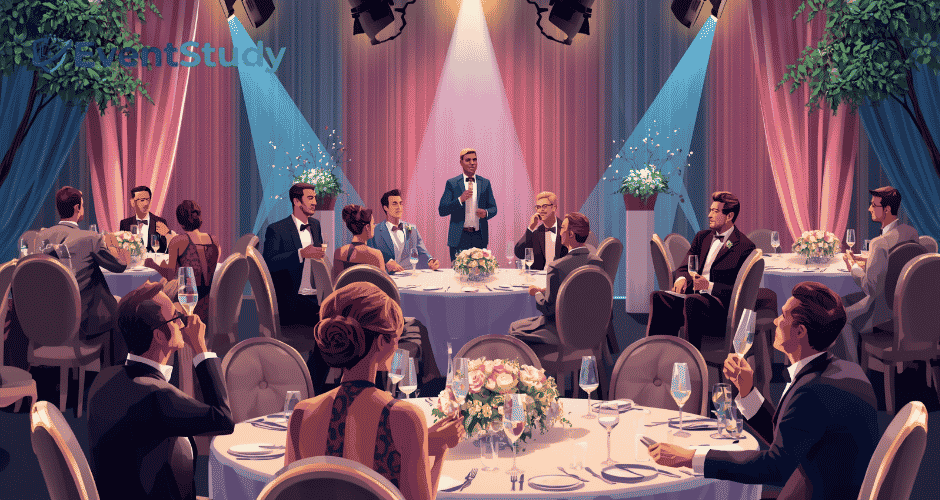
Why Is Event Timing Important for Gala Dinners?
Well-managed timing keeps the evening organised and enjoyable. Poor scheduling can create delays, rushed service, or guest frustration during formal events.
Build a Detailed Running Order
Every gala dinner should follow a structured timeline. Suppliers, hosts, entertainers, and catering teams all depend on accurate event schedules.
A sample gala dinner timeline may include:
- 6:30 PM – Guest arrival
- 7:30 PM – Dinner service
- 9:00 PM – Awards or speeches
- 10:00 PM – Entertainment and dancing
Schedule Breaks Between Activities
Guests need time to network, move around, and enjoy the atmosphere. Tight schedules can make events feel rushed and uncomfortable.
Balanced schedules improve:
- Guest engagement
- Catering efficiency
- Networking opportunities
- Event flow
Prepare for Delays
Unexpected delays can happen during live events. Organisers should build flexibility into the schedule to avoid major disruptions later in the evening.
Backup planning may include:
- Flexible catering timing
- Extra technical support
- Contingency entertainment
- Emergency supplier contacts
How Do You Promote a Gala Dinner Successfully?
Strong promotion increases attendance and helps attract sponsors, donors, and media attention. Marketing strategies should begin several months before the gala dinner date.
Use Digital Marketing Channels
Online promotion helps reach larger audiences quickly. Social media campaigns and email invitations are commonly used for gala event marketing.
Popular promotion methods include:
- Social media campaigns
- Email invitations
- Event landing pages
- Influencer partnerships
- Paid advertisements
Work with Sponsors and Partners
Sponsors often help increase event credibility and financial support. Partnership opportunities should provide value for both organisers and sponsors.
Sponsor benefits may include:
- Brand exposure
- VIP seating
- Stage recognition
- Logo placement
- Networking access
Create Professional Invitations
Elegant invitations help set expectations for the gala dinner. Formal invitation design should match the event theme and tone.
Important invitation details include:
- Event date and time
- Venue location
- Dress code
- RSVP deadlines
- Contact information
What Common Mistakes Should Gala Dinner Organisers Avoid?
Even experienced organisers can face challenges during gala dinners. Careful planning helps reduce mistakes that negatively affect guest experiences and event operations.
Poor Budget Control
Overspending is one of the most common event planning problems. Unexpected costs can quickly affect overall event quality and profitability.
Budget mistakes often include:
- Underestimating catering costs
- Last-minute supplier bookings
- Ignoring contingency funds
Weak Technical Planning
Technical failures can damage the atmosphere of formal events. Audio-visual testing should always happen before guests arrive.
Common technical issues include:
- Microphone failures
- Lighting problems
- Presentation errors
- Internet connectivity issues
Overcrowded Schedules
Too many speeches or activities can reduce guest enjoyment. Gala dinners should balance formal programming with entertainment and networking opportunities.
Guests generally prefer:
- Short speeches
- Smooth transitions
- Relaxed networking time
- Well-paced entertainment
Frequently Asked Questions
Gala dinner planning often raises important questions about budgeting, venues, entertainment, and guest management. Clear answers help organisers create smoother and more successful events.
How far in advance should you plan a gala dinner?
Most gala dinners should be planned at least 6–12 months before the event date.
What is the main purpose of a gala dinner?
Gala dinners are commonly used for fundraising, celebrations, networking, awards, or corporate entertainment.
What should guests wear to a gala dinner?
Most gala dinners require formal or black-tie attire unless organisers specify another dress code.
What entertainment works best for gala dinners?
Live music, keynote speakers, awards, auctions, and interactive experiences are popular choices.
How much does a gala dinner cost?
Costs vary depending on venue size, guest numbers, catering quality, and entertainment choices.
Why is venue selection important?
The venue affects guest comfort, event atmosphere, logistics, accessibility, and overall experience.
What food is usually served at gala dinners?
Most gala dinners include canapés, multi-course meals, desserts, and drinks receptions.
How long does a gala dinner usually last?
Many gala dinners last between four and six hours, depending on the programme schedule.
Conclusion
Successful gala dinners require careful planning, strong organisation, and attention to guest experience. Every detail matters, from venue selection and entertainment to catering and event timing.
Clear goals, realistic budgets, and professional coordination help create elegant and memorable events. Strong planning also reduces stress and improves overall event flow on the day.
Sign up to receive our latest updates
Get in touch
Call us directly?
020 8904 8326
Address
63 Cowcross St, Islington, London EC1M 6BP, United Kingdom
info@eventstudy.org.uk
Need some help?
Popular categories