


0

Shopping cart

Close

No products in the basket.

Event Planning

The best events often look simple from the guest’s point of view. People arrive, find their seats, enjoy the programme,...
Launching an event involves much more than choosing a date and venue. A successful event launch starts with defining clear...
Event planning has evolved significantly from manual, experience-based methods to more digital, data-driven and attendee-focused approaches. While traditional planning often...
Everyday activities can develop many of the same skills used in professional event planning. Organising a family gathering, managing personal...
Successful events depend on more than creative ideas. They require practical planning skills, clear communication, effective budgeting, supplier coordination, time...
AI is changing event planning by automating repetitive tasks such as scheduling, data analysis, attendee communication and administrative work. This...
Event planning can look simple to attendees because they usually see only the finished experience. Behind the scenes, however, planners...
Event planning can stop feeling exciting when the creative ideas that attracted you to the industry become overshadowed by stress,...
Early and detailed event planning gives planners greater control over the budget, suppliers, logistics, timelines and attendee experience. Starting early...
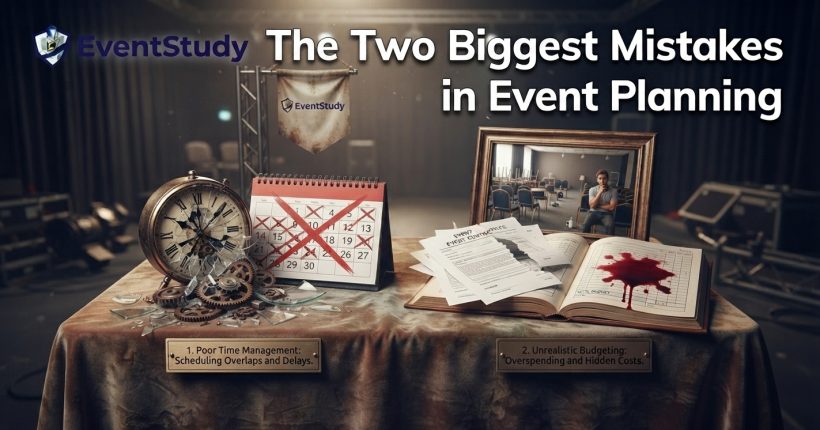
Small planning mistakes can have a big impact on an event. A missed detail, unclear communication or poorly planned schedule...
Event planning mistakes can often be prevented through better preparation, realistic budgeting, clear scheduling, reliable supplier communication, technology checks and...
Event planning can look straightforward on paper, but small mistakes can quickly lead to unnecessary stress, overspending, poor coordination and...